


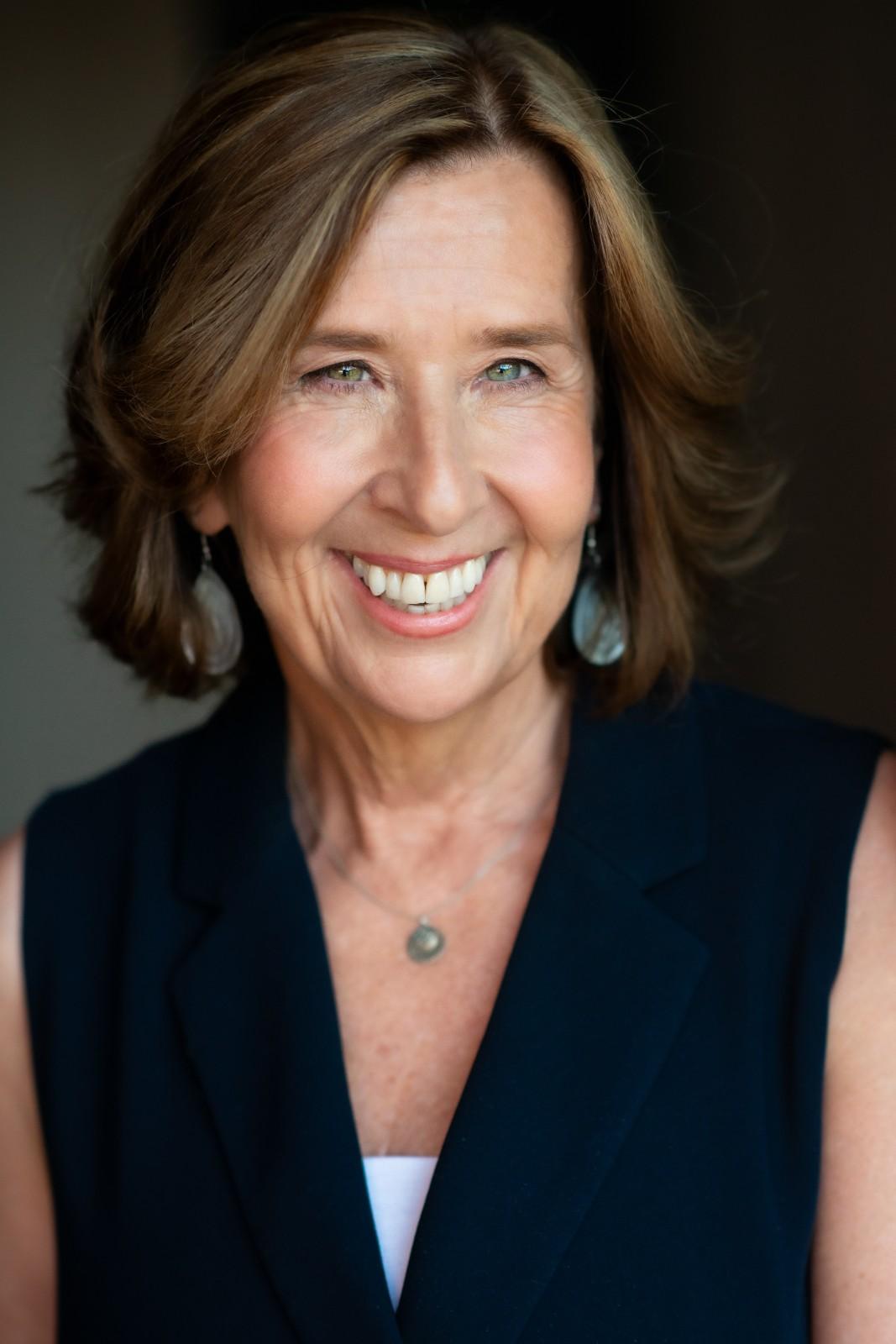
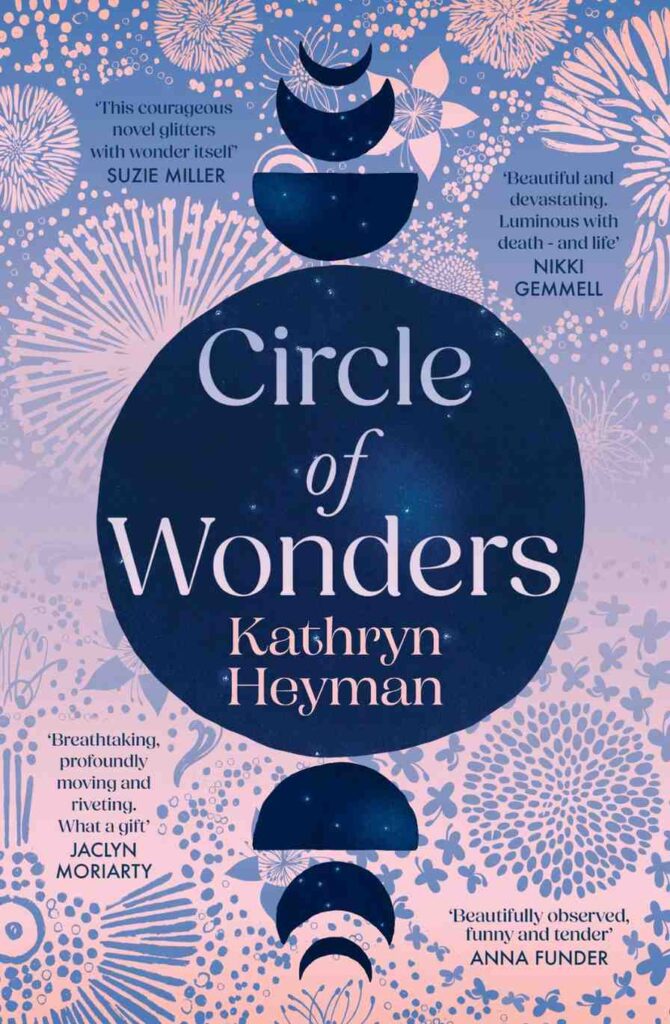
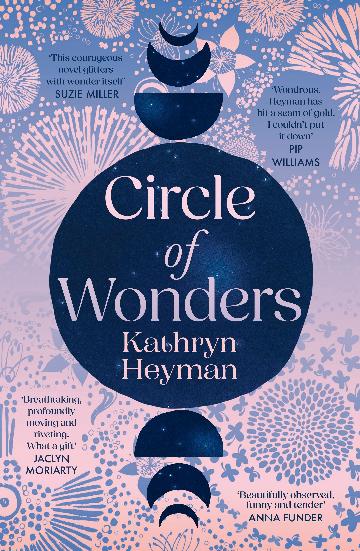
Circle of Wonders by KATHRYN HEYMAN is the story of two women about to die – but while Roni battles cancer, she begins writing a Book of Wonders to ease her family’s grief when she passes.
Read on for a Q&A with the author about this beautifully personal novel.
MEET KATHRYN HEYMAN
What sparked the idea for Circle of Wonders?
The seed of the novel came to me as I was moving between caring for my sister and my mother, who were both dying in the same city, in the same month. It was a distressing time, yes, but also strangely beautiful. I started to speak with some death doulas, who act as midwives at the end of life, and many of them spoke of something I’d experienced. A kind of luminous attention. I wanted to write something which would capture in fictional form the radiant intensity of that time, a reflection on what we carry across generations, willingly or not.
In the very early stages of writing, I was walking on the shores of Lake George, near Canberra, when I looked up and saw an albino kangaroo – in that moment, Roni Blume appeared to me. She arrived in my consciousness the same way she arrives on the first page of Circle of Wonders – mid thought, approaching the end of her life. Nose to nose, breath to breath with the reality how she has lived, and whether forgiveness might be possible.
You’ve published multiple novels over the course of your career, so could you please give us an insight into your writing process? Also, have you noticed any changes in how you write and the topics that interest you?
 I began my writing career as a playwright and poet, so my process has gone through lots of changes. When I began writing – including my earlier novels, in the UK – I was very structured. I always had a plan. That meant a sense of the whole novel but also a map for each chapter. In those days, at the start of a writing session (usually four hours) I would jot down three or four key moments for the chapter I was working on that day. With my early books, I tended to write a chapter in one sitting.
Once I had a first draft, I would go off for two or three weeks of focused silence. I’ve always spent weeks in silence – in convents or monasteries – as part of my writing process. That hasn’t changed in thirty years. But these days, I’m a little looser. I understand that each book will be different and will require a different way of writing. Circle of Wonders is a very intense novel, and I wrote it in much smaller bursts. I tended to create small blocks of writing time, and I wrote longhand, often outdoors. That was a first. At the end of each week, I’d transcribe what I’d written, surprising myself with what was on the page. I wanted to capture a sense of unexpected radiant intensity, and I could only do that in short, sharp burst; like looking at the sun.
I understand now that every project – play, script, memoir or novel – will have its own process and its own rhythms.
This book deals with extremely heavy subject matter such as terminal cancer and estranged families. How much of your personal experience informs your stories and where do you draw boundaries between yourself and your characters?
I wanted to create a novel rich with imperfect people really grappling with what it means to be human, to be awake, alert in the lives that they’re living. And I knew that I wanted to write about the complexities of familial love – about forgiveness, about silence, about acceptance. So, although it’s a novel about with weighty themes, it’s really balanced with a love for the world and with the kind of humour that can rise up in the middle of difficult situations.
Although Circle of Wonders very much began with a real situation for me – the death of my mother and my sister within a few weeks – I felt that only fiction could capture the sense of wonder I wanted the novel to hold. The story is about family inheritances, intergenerational conflict and confusion, the way that families hold grudges so long and so hard they sometimes forget why. And it’s about the miraculous and steadfast power of female friends.
 When my sister died, she was indeed surrounded by a circle of glorious women. But those women are not the women who people Circle of Wonders. Early in the writing, I considered whether it might be told from one character’s point of view. And it became clear that I was writing about a circle of women, a chorus almost.
Every novel is made up of its creator, I think. Oddly, in some ways my most autobiographical novel is Captain Starlight’s Apprentice – which was also a BBC radio drama serial – about the last bushranger, a woman called Jessie Hickman, at the start of the twentieth century! I wasn’t a bushranger, or a trick rider, but my father was a rodeo rider, and that novel has a lot of me (and my family) in it, secretly. Not so secret now.
Out of all the women in this book – Roni, Belle Anna and Sylvie – who was your favourite to write?
Roni is a dynamic character, one of those people who draw friends to them. To her friends she’s hilarious and charismatic, even at the end of life. So she was often quite a joy to write. But I also loved writing Anna, Roni’s Oxford-educated, shining-star of a sister, who has returned from London, full of judgement. Anna is so certain about everything, and writing characters who will have their certainties challenged is always a delight. But then Belle, Roni’s daughter, is so furious and unfiltered – she sees herself as a real ‘truth teller’ although there is so much that she doesn’t say – and I loved her energy. And she’s trying so hard to be the best version of herself, after many disastrous years. I love that she is so determined to do better. And I loved writing Pip, too. Roni’s dearest friend is fiercely loyal and protective and it was often lovely to be in that space. I mean, honestly, I feel this is an unfair question! How could I choose? It’s like choosing a favourite child! I love them as a whole, all of them together.
What inspired the concept of the ‘Book of Wonders?’
 At the end of her life, Roni is reckoning with what it would mean to have lived well, and what she might leave behind. She begins to keep a notebook, trying to recall and capture the small luminous moments that she once overlooked. That ‘book of wonders’ will be the gift she leaves for those she loves. Many years ago, when I was fairly newly married, I found a journal belonging to my husband’s mother, who died a year before I met him. The journal was full of beautiful sketches and notes, observations of beautiful things in the natural world and in the world of art. Reading this journal felt like such a gift – like I was able to really meet her. I had forgotten about her journal until very recently; but now I am pretty sure that I can credit it with inspiring the book of wonders.
Every single one of us will have to face our own death, but we’ll never see the aftereffects of our passing. Do you approach this subject in the novel, and how do Roni and her family cope with the loss they are about to experience?
This is not a novel about what happens after Roni’s death – it’s not a novel about grief, but about the miraculous and steadfast power of female friends, and about how mothers and daughters and sisters might learn to let go of the stories and conflicts they inherit, willingly or not. Roni has spent her life following her bliss – which has always been just out of reach. She’s spent her life focused on the future or the past. But now, at the pinch point of life, there is only the present. And that’s how all of these women manage this time: by being radically present.
How do you think we can recognise or memorialise the luminous moments in our own lives; in a sense, creating our own Book of Wonders?
In many ways, I think that my late mother-in-law’s journal taught me a little of how to do that. And I hope that I’ve taught my daughter to do it. To pause, attend and notice. To record those moments of beauty or pleasure. In my mother-in-law’s case, those luminous moments were images of birds and plants, but also snippets of poetry and notes on artists she admired. Although I never met her, this journal became a way of knowing her, and a way for her descendants to know her. Although she sees it as her parting gift, Roni’s belated recording of these moments is both an opportunity for her to remember, and re-experience. In the nineteenth century, there was a great fashion for ‘commonplace books’ in which people would record inspiring quotes or images. Finding some way to record these moments – journals, notebooks, phone apps – can also help us to slow down and notice. To attend to the moment, which is what Roni is trying to do.
What do you hope readers take away from this story?
I had a message on Instagram yesterday from a reader who wrote that “I was given a beautiful reminder in how to live and how to die well, with grace, even when you haven’t lived particularly well. A reminder to love, and let love in. I was simply left with a sense of renewed vitality, wanting to embrace wonder and seek it out.” And I have to say, that is exactly what I hope readers take away.
Most of all, I hope that Circle of Wonders is a celebration of the messy grace that emerges when people who’ve hurt one another still choose to love.
ABOUT THE AUTHOR
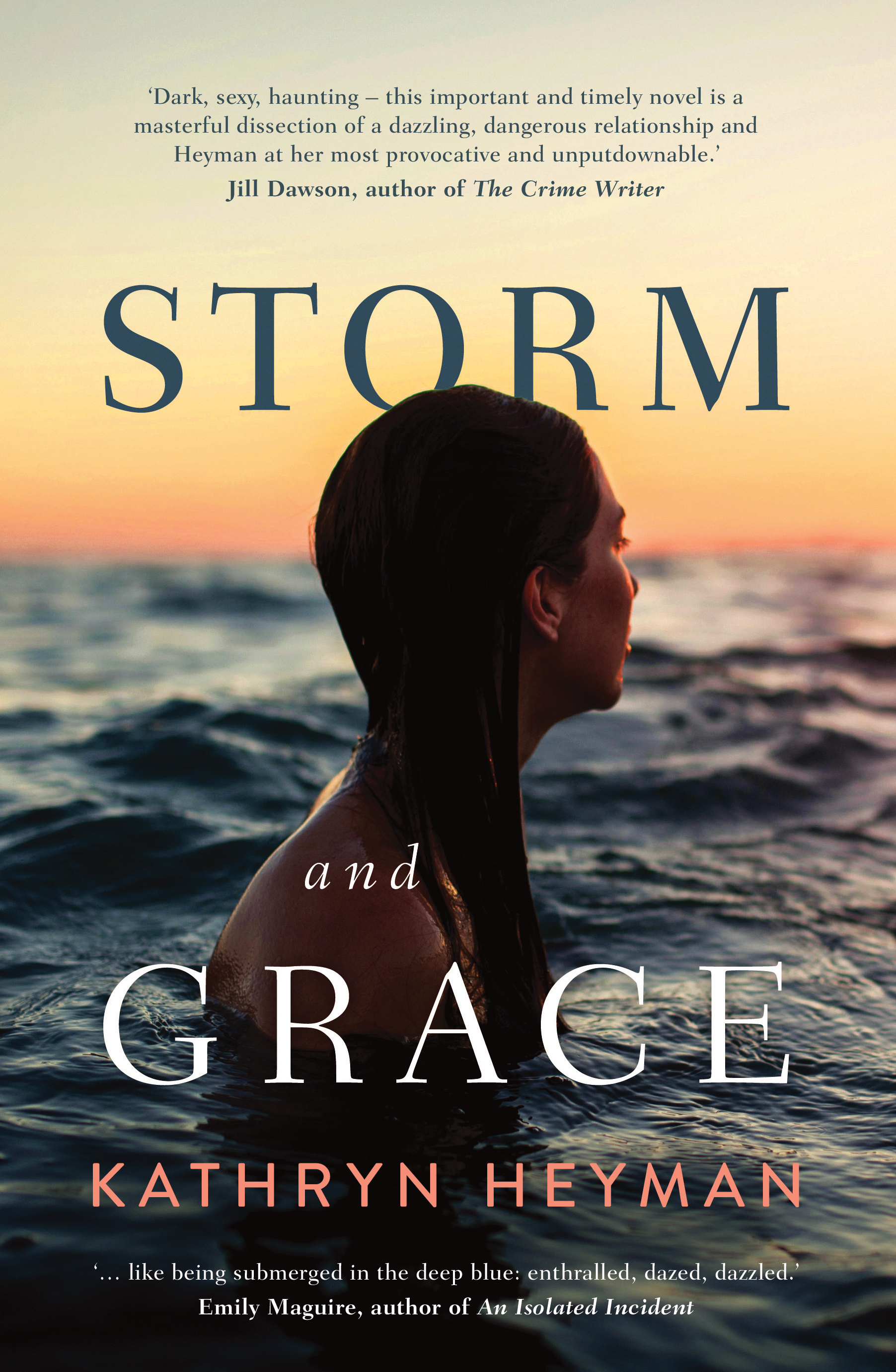
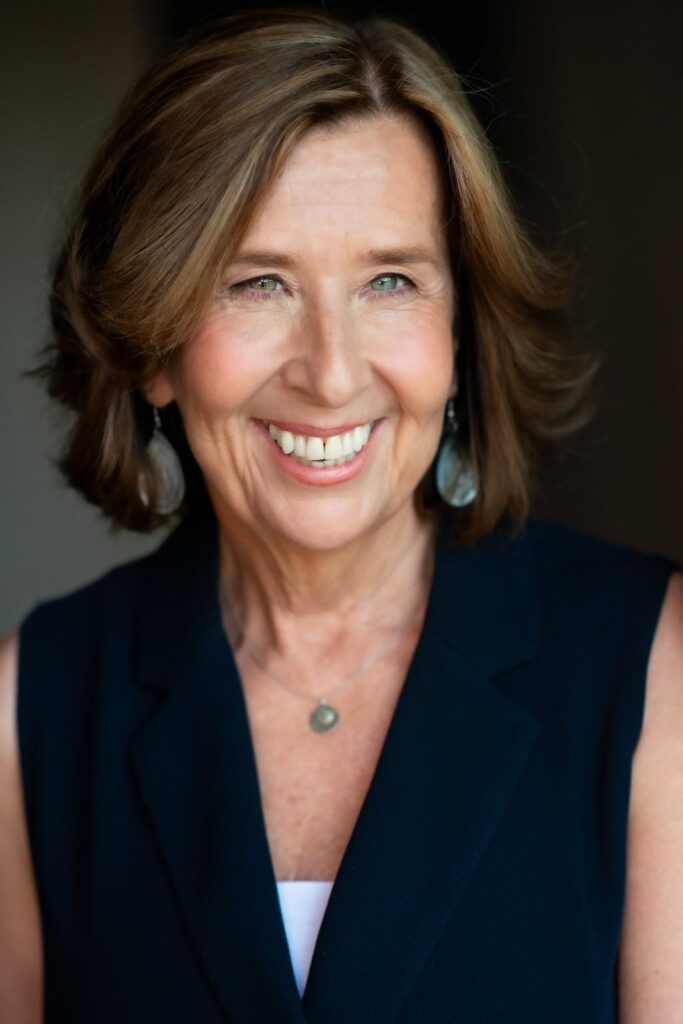 Kathryn Heyman is the author of six novels, including Storm and Grace, published by Allen and Unwin in February 2017. She has won numerous awards including an Arts Council of England Writers Award, the Wingate and the Southern Arts Awards, and been nominated for the Orange Prize, the Scottish Writer of the Year Award, the Edinburgh Fringe Critics’ Awards, the Kibble Prize, and the West Australian Premier’s Book Awards. Her radio plays for BBC Radio include adaptations of her own work. Her most recent work, Fury, a memoir was published by Allen & Unwin in 2021.
Visit Kathryn Heyman’s website
Follow Kathryn Heyman on Instagram here
Visit the publishers website here

0 Comments