



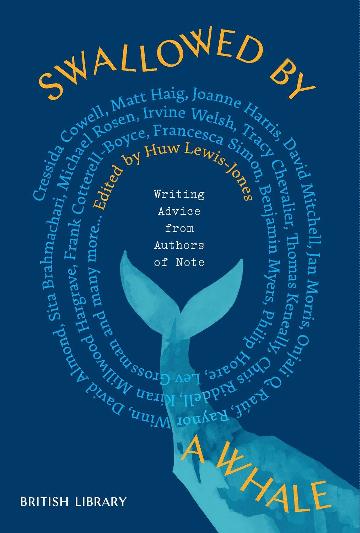
Swallowed by a Whale offers original advice on how you can start writing from 60 contemporary authors, drawing on their unique experiences and journeys to the written word. In this extract, we hear from SIMON GARFIELD.
ABOUT THE BOOK
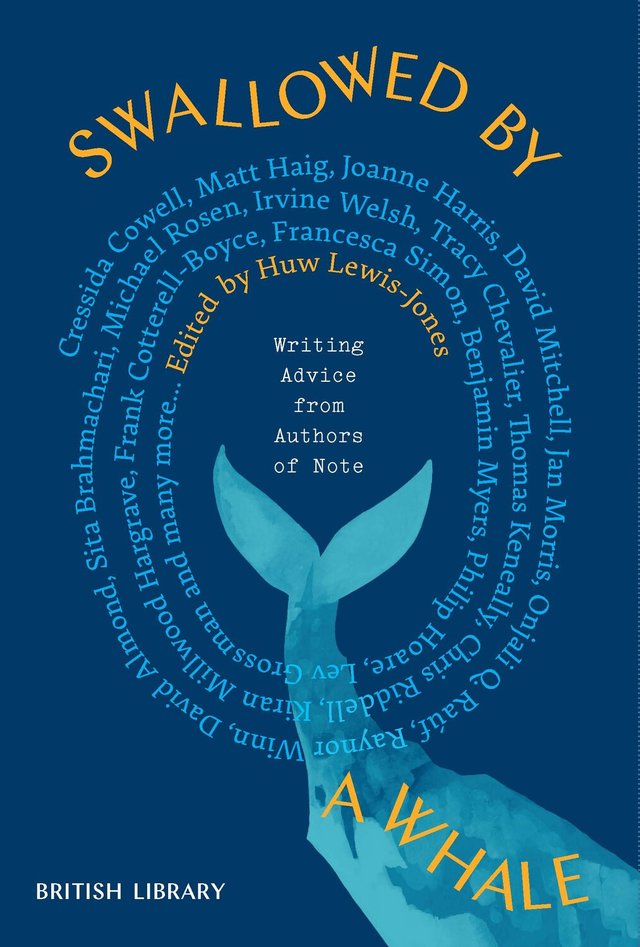 In this specially commissioned anthology, 60 accomplished authors share secrets and insights into their writing lives: on their inspirations, methods, wild ideas and daily routines; on the pleasure and the pain in achieving their literary goals; on how they started out and how they hope to continue. They outline some golden rules for staying on track and talk candidly about what goes wrong as well as right.
Emerging talents sit alongside much-loved authors whose books have sold in their millions. Each reflects in their own way on the creative process and the compulsion to write. How to find inspiration? How to get the words right? How to cope with writer’s block? And where do the good ideas really come from?
Includes contributions from Cressida Cowell, Matt Haig, Joanne Harris, David Mitchell, Jan Morris, Onjali Q Raúf, Michael Rosen, Irvine Welsh, Tracy Chevalier, Thomas Keneally, Kiran Millwood Hargrave, Tom Gauld and Benjamin Myers.
**********
MEET SIMON GARFIELD
Where do you get your ideas from?
Some come from editors who know my interests/obsessions/limitations, and some spend a year or two festering in my brain, perhaps inspired by a newspaper article or book. Post-fester, they come out for a two-month research period, and if they still hold up after that they may form the basis for a proper long-term project. All my other ideas I pick up on the way home from Marks & Spencer.
How do you choose your titles?
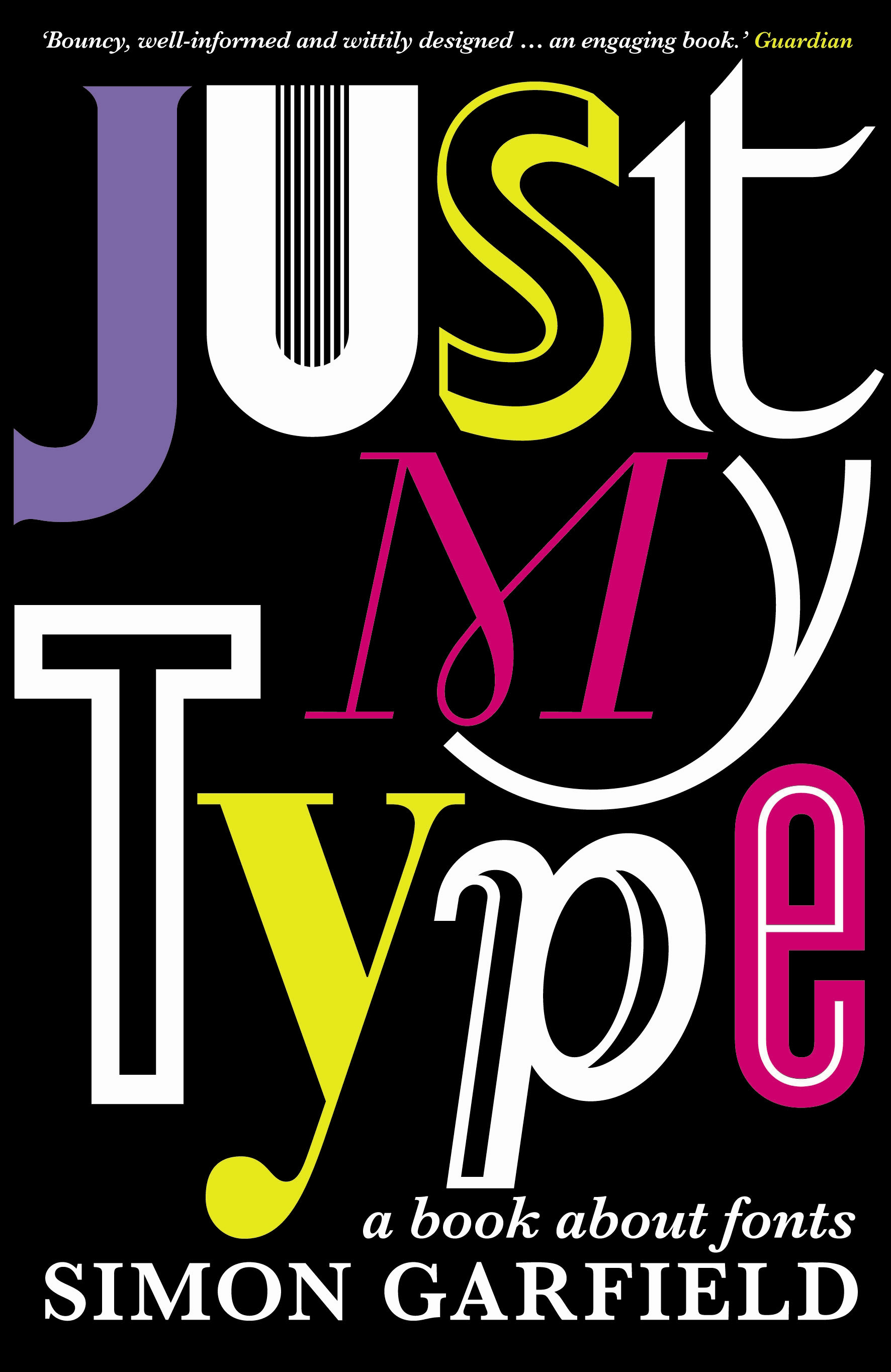 I’ve always been averse to even the mildest of puns. However, three of my biggest sellers have been Just My Type, On the Map and To the Letter, so there. My only advice is to find an editor who’s good at these things and trust them. That said, the initial suggestion for my fonts book was Not My Type, but I accentuated the positive
Do you have a set pattern to the writing day?
The only constant is morning coffee. I tend to be more particular about that than I do about the method of writing (laptop/iPad/paper all fine) or the venue (kitchen/cafe/library also all fine).
I don’t set a daily word target, as so much depends on the subject matter. If I’m writing up an interview I can easily manage 2000 words, but if there’s a tricky bit of theorising 400 will do. And as we all know, it’s the rewriting that counts. This will appear preposterous no doubt, but I tend to work best between 4 and 4.30p.m.
If I’m working at 4.30 then it’s a sign that the writing is in full swing, and I haven’t packed in for the day/given in to a sugar low/gone to a movie. If I’m working between 4 and 4.30p.m. I may still be working at 8.30p.m., which is always good news (for the book, if not my family).
Do you read or care about your reviews?
 Yes I care, and no I tend not to read them. Critics perform a crucial service, and I love reading book reviews (and occasionally write them).
I love good criticism from editors and readers before publication, but I’m not sure how much it helps me after publication. If the reviews are good I get sent them by my agent and publisher, and if they’re ‘mixed’ they tend to keep quiet, so I always have a fair idea about how a book’s been received. And almost every time there are some raves, some pans and some in-between.
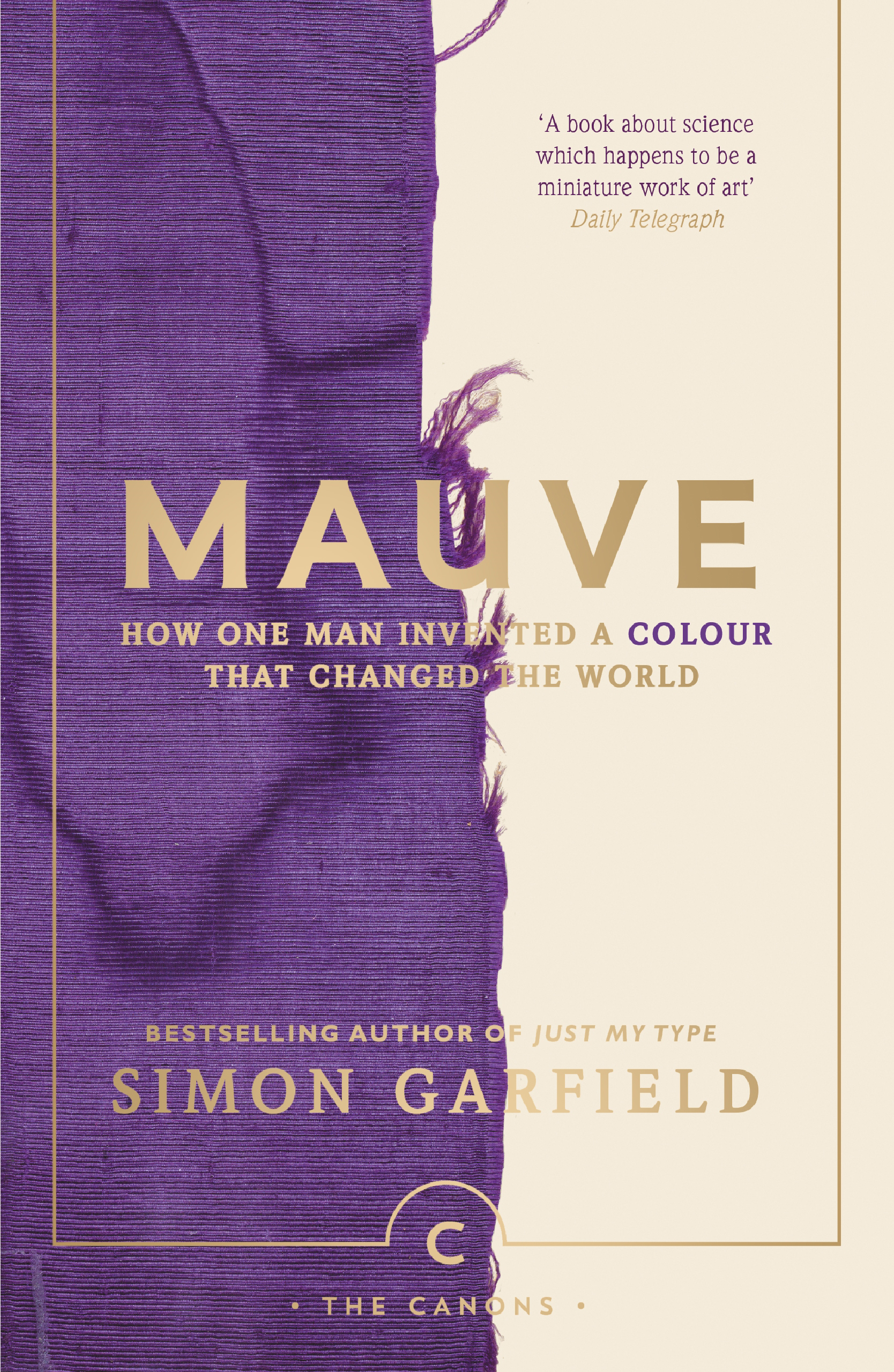
The same with reviews online. My favourite reviews on Amazon are the ones that say, ‘5 Stars: the book arrived promptly and in perfect condition, and I’m sure my uncle will love it.’ But the best review I ever got was from Stuart Shorter in the book Stuart: A Life Backwards by Alexander Masters. He saw my book Mauve on Alexander’s shelf, and, after finding out that it was indeed about the colour mauve, commented ‘How’d he f**king get away with it?’
What’s the worst public literary event you’ve ever done?
Most authors will have stories about not many people turning up to a reading in a bookshop because it was snowing/transport wasn’t working/no-one was at all interested in the book, and some authors will have stories about doing a great talk for a big crowd and then the book not being there to sign afterwards. But I also have this. The last talk I did (a few weeks ago) was at something called the Boring Conference, where a lot of nerdy types gather to hear equally nerdy people talk about things that are obscure but actually fascinating, such as the paper clip.
I was the final speaker of the day, clearly saving the best till last, and about an hour before I was due on I went for a walk, tripped and fell, and broke a couple of ribs. But being the Total Pro, I went on as if nothing had happened. Not a good move. I was clearly still in shock, couldn’t remember anything about my subject, barely knew who or where I was, and just rambled away. I could see the audience looking glazed, but I just carried on regardless. Definitely the most boring talk of the day. So if this is being read by aspiring authors looking for useful advice, I’d advise against doing that.
ABOUT THE AUTHOR
 Simon Garfield was born in London in 1960. He is the author of an appealingly diverse and unpredictable canon of non-fiction, including the bestsellers Mauve, Just My Type and On The Map. He is a trustee of Mass Observation, and is the editor of several books of diaries from the archive, including Our Hidden Lives and A Notable Woman. His recent books include Timekeepers, In Miniature, and All the Knowledge in the World: The Extraordinary History of the Encyclopaedia.
Visit Simon Garfield’s website.
Read more about Swallowed by a Whale.
Visit the New South Books website.
0 Comments