


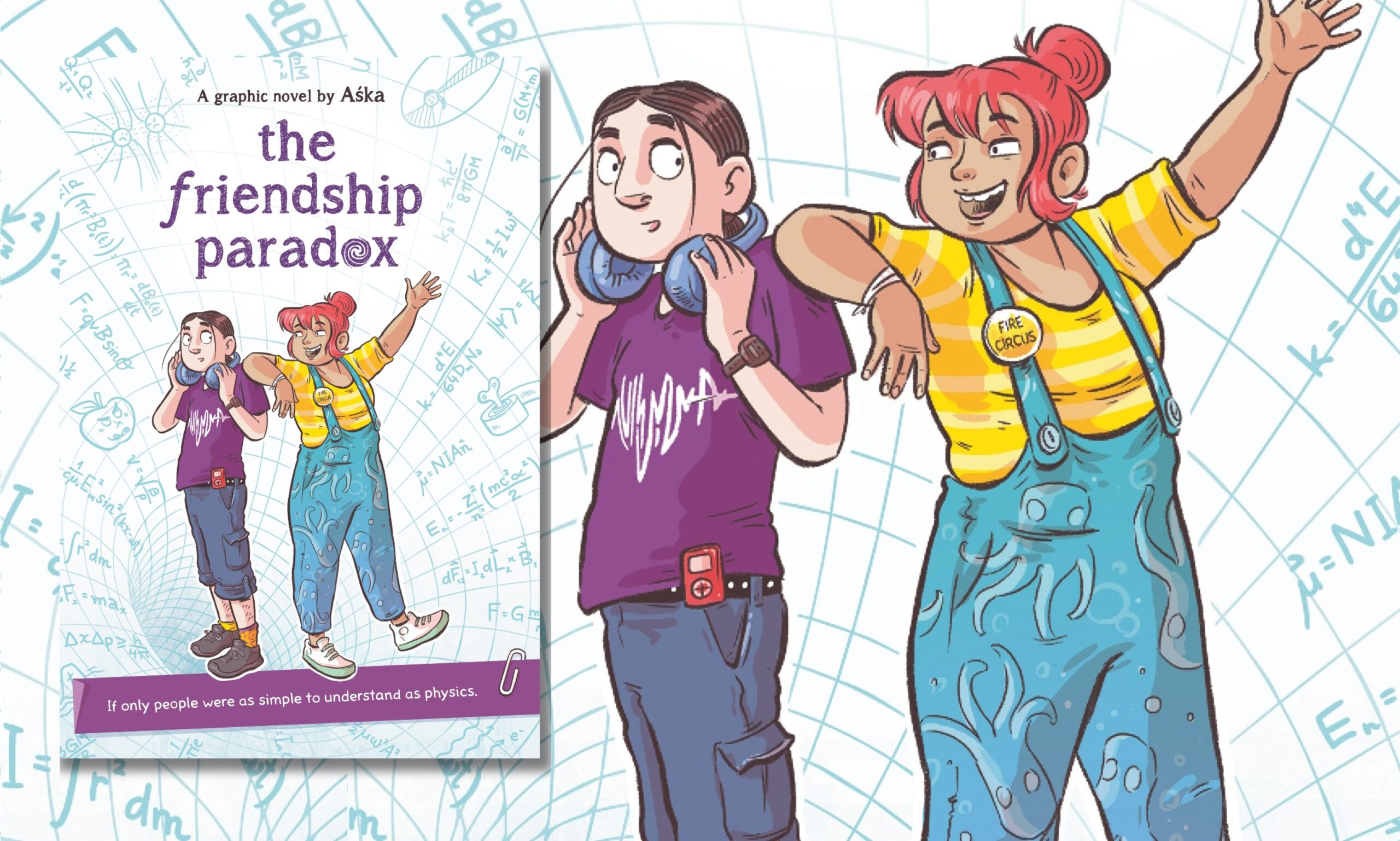
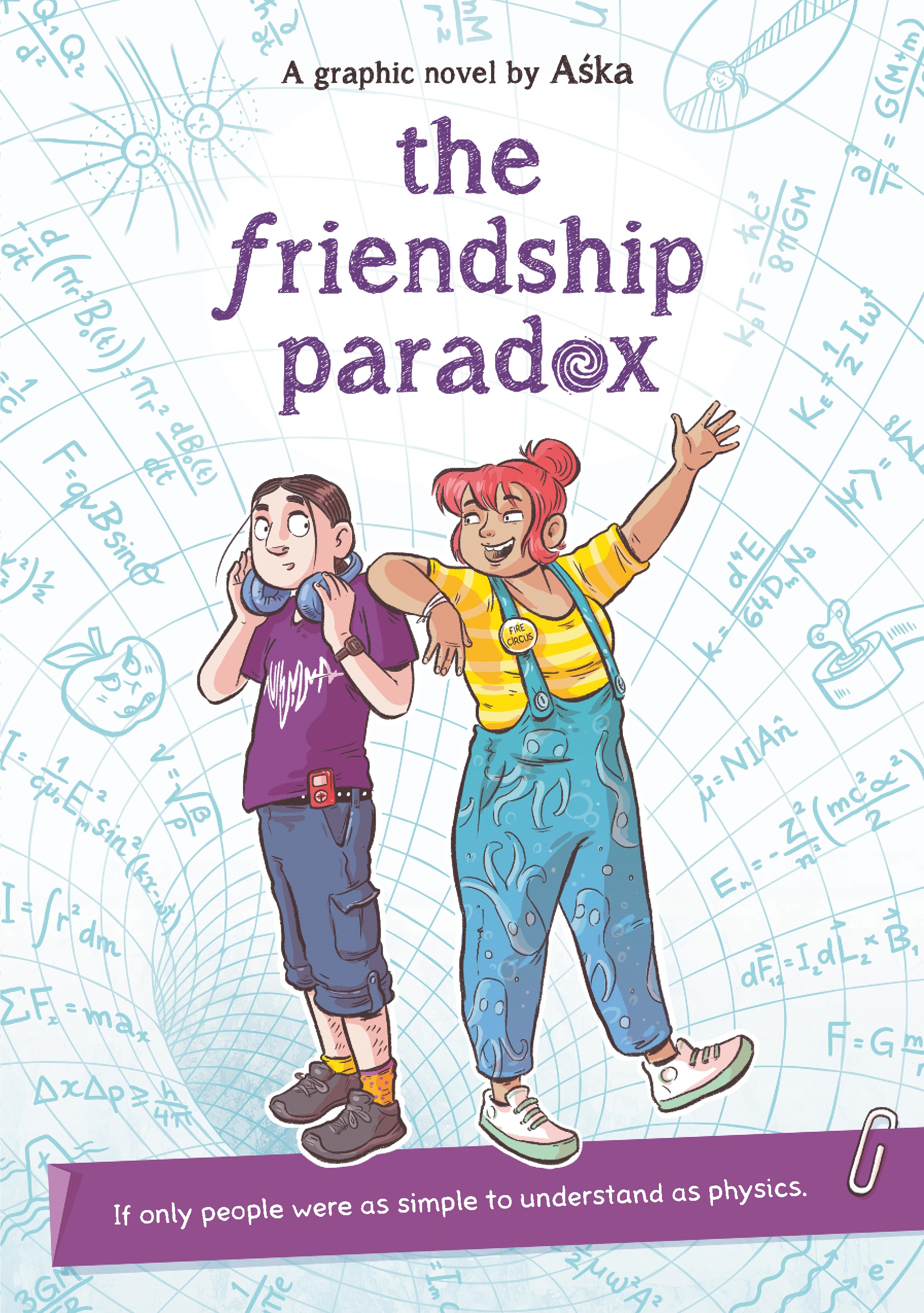
The Friendship Paradox by AŚKA is a graphic novel about friendship and finding your place in a puzzling world. We caught up with the author to find out what books they’ve been reading.
MEET AŚKA
 What are you reading now?
Mysteries of the Quantum Universe, a graphic novel by Thibault Damour and Mathieu Burniat. It’s fabulous, and was recommended to me by a 10-year-old I met at one of my workshops!
If you were stranded on a desert island and you could only have five books – what would they be?
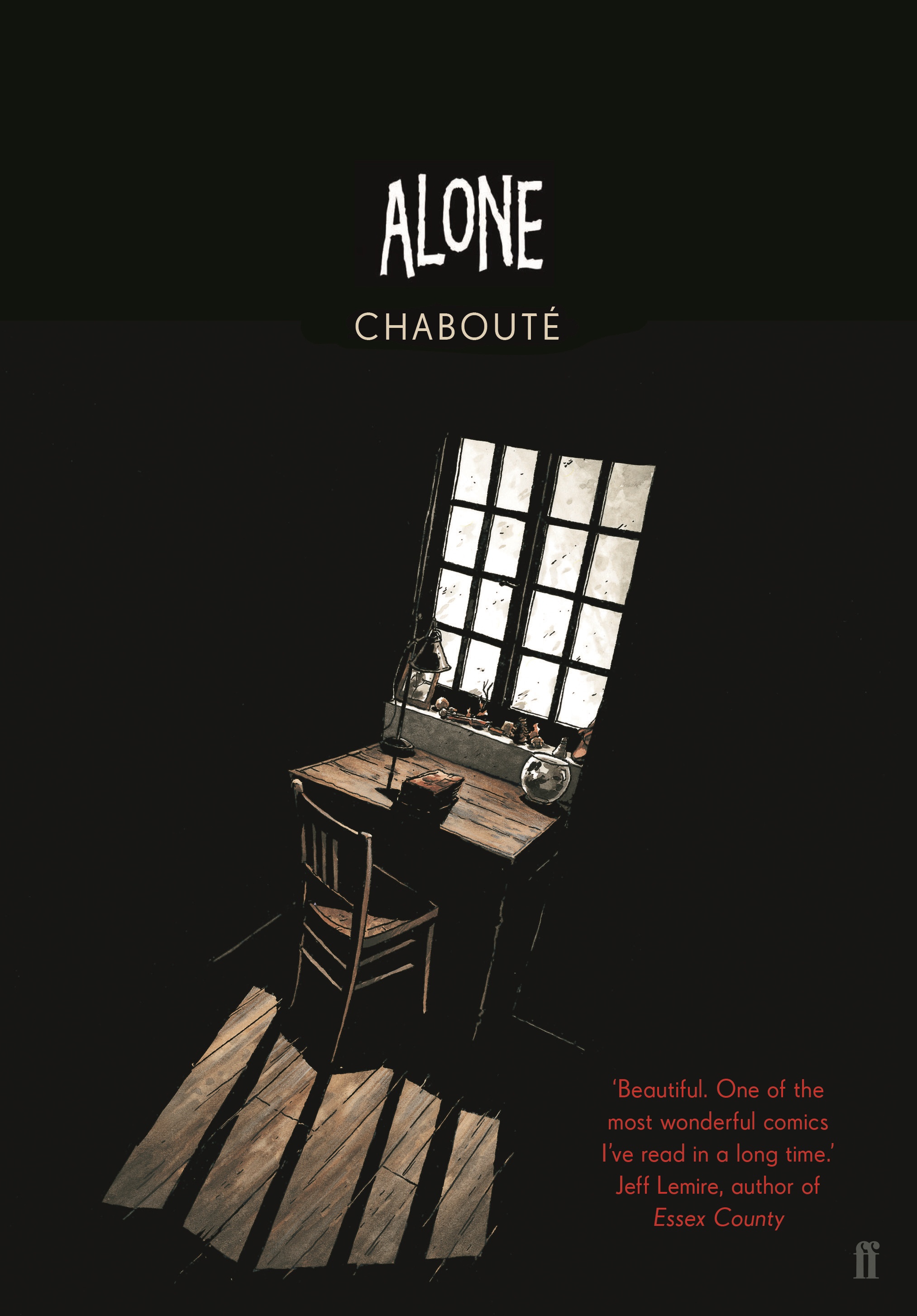 Alone by Christophe Chabouté – mesmerising visual exploration with a ‘desert island’ adjacent theme;
Encyclopedia of Early Earth by Isabel Greenberg – again, this would put me in the perfect mood for being stranded in nothingness and revelling in the beauty of it;
The Complete Works of Dave McKean by Dave McKean – OK, such a collection doesn’t yet exist, but it should. Then I could take 60 or so titles as a single (giant) book;
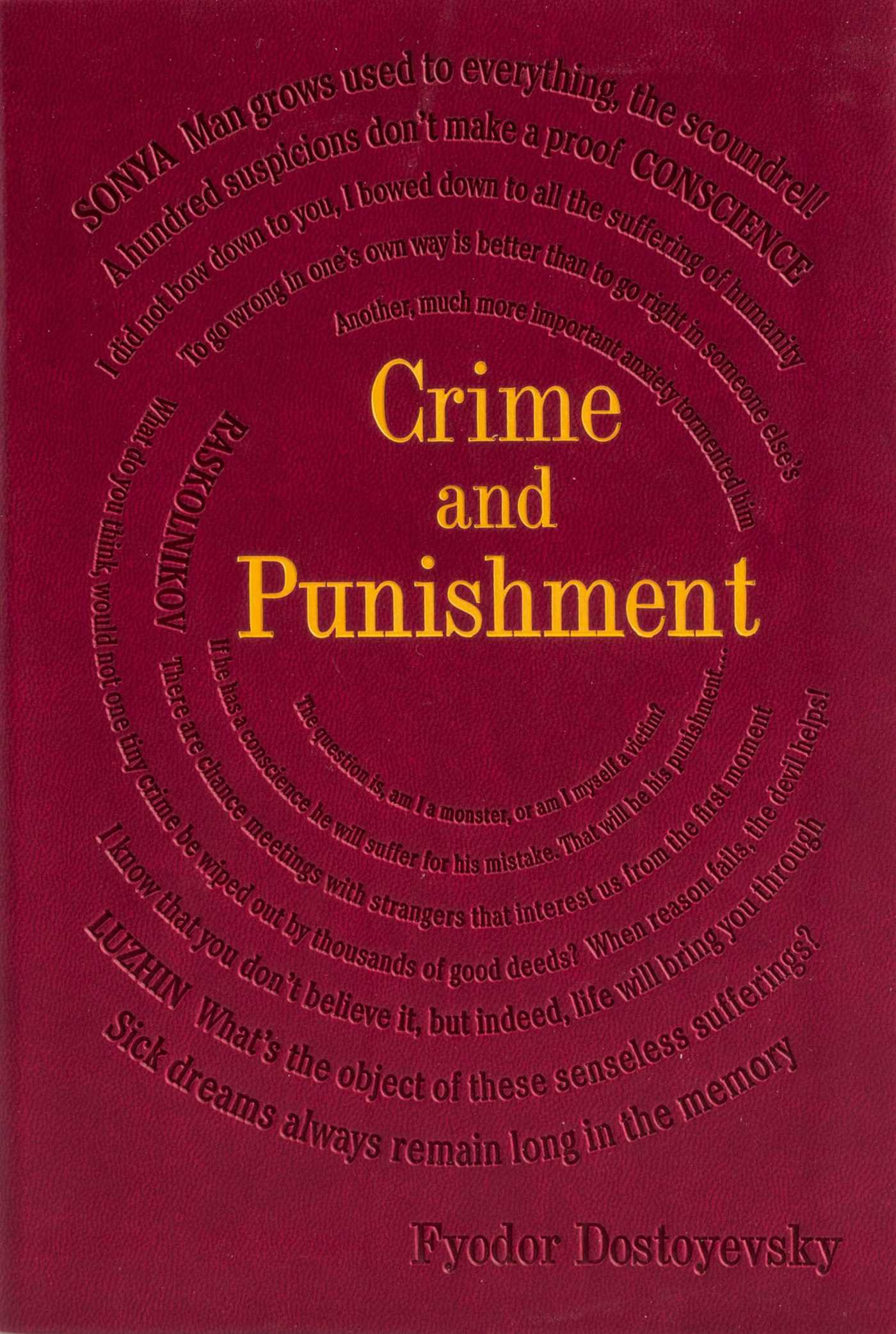
Crime and Punishment by Fyodor Dostoevsky – as a classic by my favourite writer when I was a teenager. I’ve been meaning to re-read this particular title for a few decades, and I think the only time I’ll have to do that is on a desert island;
A blank notebook and pen – so I can make my own stories.
 Where is your favourite place to read?
The train, but I don’t get to use this mode of transport much these days, so my next favourite is my tree ‘house’. It’s more of a platform, really. Five metres up, treetops swaying, the occasional squawk of cockatoos. BYO mozzie repellent.
Do you read one book at a time or multiple?
I often start too many books at once. During this time, they’re all vying for attention in my head as I cook, shower, or try to get to sleep. Then I choose the loudest one, and it’s often the only one I’ll finish. It’s a competitive business, being read!
Do you use a bookmark or fold the corners of pages?
I would never fold a corner! As a child, defacing or marking a book was one of the biggest crimes one could commit. To this day, I feel a sense of unease when asked to autograph a book. There is something sacred about any kind of printed knowledge. So it’s bookmarks for me, and I do have a nice collection.
What inspired The Friendship Paradox?
 It was a mix of life experiences and big passions: travel, friendship, my time working as a science presenter and physics.
After years as a travelling science communicator, I found myself living in a world that felt a bit like an endless summer camp, full of curious kids, long road trips, remote communities, brilliant colleagues, and moments of wonder mixed with complete exhaustion. It showed me the joy of sharing my enthusiasm for science with others, and the satisfaction of solving problems on the fly.
I also wanted to tell a story about friendship. About how one good friend can make everyday battles easier, and how finding people who ‘get you’ can change the way you see yourself.
To help readers understand the protagonist’s inner world, I scaffolded all these elements with the laws of physics. My hope is to invite readers into the unfamiliar, let them step back, squint a little, and see the bigger picture. Even if physics isn’t your thing, I trust that curiosity, warmth, and sense of wonder still are.
At its core, the book was inspired by the idea that despite lacking some social skills, a person can still use the skills they do have to navigate life’s journey.
Did your background in science influence the way you approached storytelling and the creation of The Friendship Paradox?
 Absolutely. For me, storytelling is like science. Both disciplines demand that you sit with uncertainty long before you’re allowed clarity.
It begins with wonder: looking up at the night sky and feeling a big, inexplicable emotion, without the language to yet describe or understand it.
Then comes the work.
Science is good at turning wonder into structure. Hypotheses, experiments and tools all translate the universe into marks on the page, making the beautiful measurable. It doesn’t kill the emotion, it just has to share space with discipline.
Story crafting is the same, just with different tools. Drafts, outlines, research, revision – you’re using and recalibrating your equipment. It’s very analytical.
Both are processes full of trial and error, full of work no one will ever see.
Eventually, after a myriad of dead ends and lots of notes and scribbles, you suddenly grasp the invisible forces that shape the skies. Now you can share that initial big feeling with others, and you have a language, or a story, with which to present it.
In the end, you’re translating something unwieldy or ephemeral into a structure that others can grasp. A little universe of your own making, something readers can step into, feel connected to in some way.
Understanding that this sometimes-frustrating journey of creating a book follows a scientific process really helps. I know I’m working towards something, even if most days it feels like I’m getting nowhere.
What was your favourite part of creating The Friendship Paradox?
Starting a project is always the hardest part, with so much inertia and resistance at the beginning, so I loved it when the story finally gained its own momentum and I could stop pushing.
I also liked the ‘weaving’ stage, when the narrative, setting and the physics began to intertwine and shape an actual story. Suddenly the science became an elastic band animating the characters into life and dictating the orbits of their relationships. This was super satisfying.
But my absolutely favourite part is when all this transforms into a graphic novel through the act of drawing. Inking the final linework is where the book really comes alive. It’s where I take all the thinking, planning and writing and, with mere flicks of my left wrist, turn it into something others can feel. Kind of amazing, when you think about it.
 What book character would you be, and why?
If I could try a book character on, like a onesie, I’d choose Henry Mintox from Shaun Tan’s Oopsatoreum.
I admire his absolute conviction that he’s on the right track, even when evidence suggests otherwise. He’s endlessly curious, wildly inventive, and genuinely trying to make the world better, even if his methods are … questionable. There’s something very human in that combination of optimism, tunnel vision, and good intentions.
I relate to his urge to overthink, and to build elaborate systems in the hope that they’ll improve things. I envy his ability to be oblivious to how his creations land in the real world. He keeps going despite continuous failure, convinced that the next big invention is just one more iteration away.
(Oopsatoreum, created by Shaun Tan in collaboration with the Powerhouse Museum (Sydney), is a fantastic project where real artefacts are given fictional lives. I highly recommend it!)
If you could meet one author (living or dead) – who would it be and why?
Emily Brontë – as a consumer of miserable meals, I have a feeling she would enjoy my cooking.
ABOUT THE AUTHOR
Aśka (she/they) is an award-winning graphic novelist, an ex-quantum physicist and a big fan of the little doovalacky above the ‘s’ in her name (which you pronounce ‘Ash-ka’). A hugely engaging and popular presenter, Aśka is passionate about visual literacy education. In addition to a catalogue of self-published comics, they have traditionally published more than a dozen books and graphic novels.
Their recent titles include the YA graphic novel Stars In Their Eyes, which was a CBCA Notable Book, Stonewall Honor Book and nominated for the Comic Arts Awards of Australia. She is also a recipient of several government Arts grants, prizes and fellowships. Aśka is an organising committee member for the Perth Comic Arts Festival, contributes regularly to The School Magazine, volunteered as Illustrator Co-ordinator in the WA branch of the Society of Children’s Book Writers and Illustrators for four years, has single-handedly run an animation festival, held a solo art exhibition about numbers in nature, and has been featured in an ABC TV documentary. When they’re not creating children’s books, Aśka is travelling across Australia teaching eager students of all ages how to write with pictures.
0 Comments