


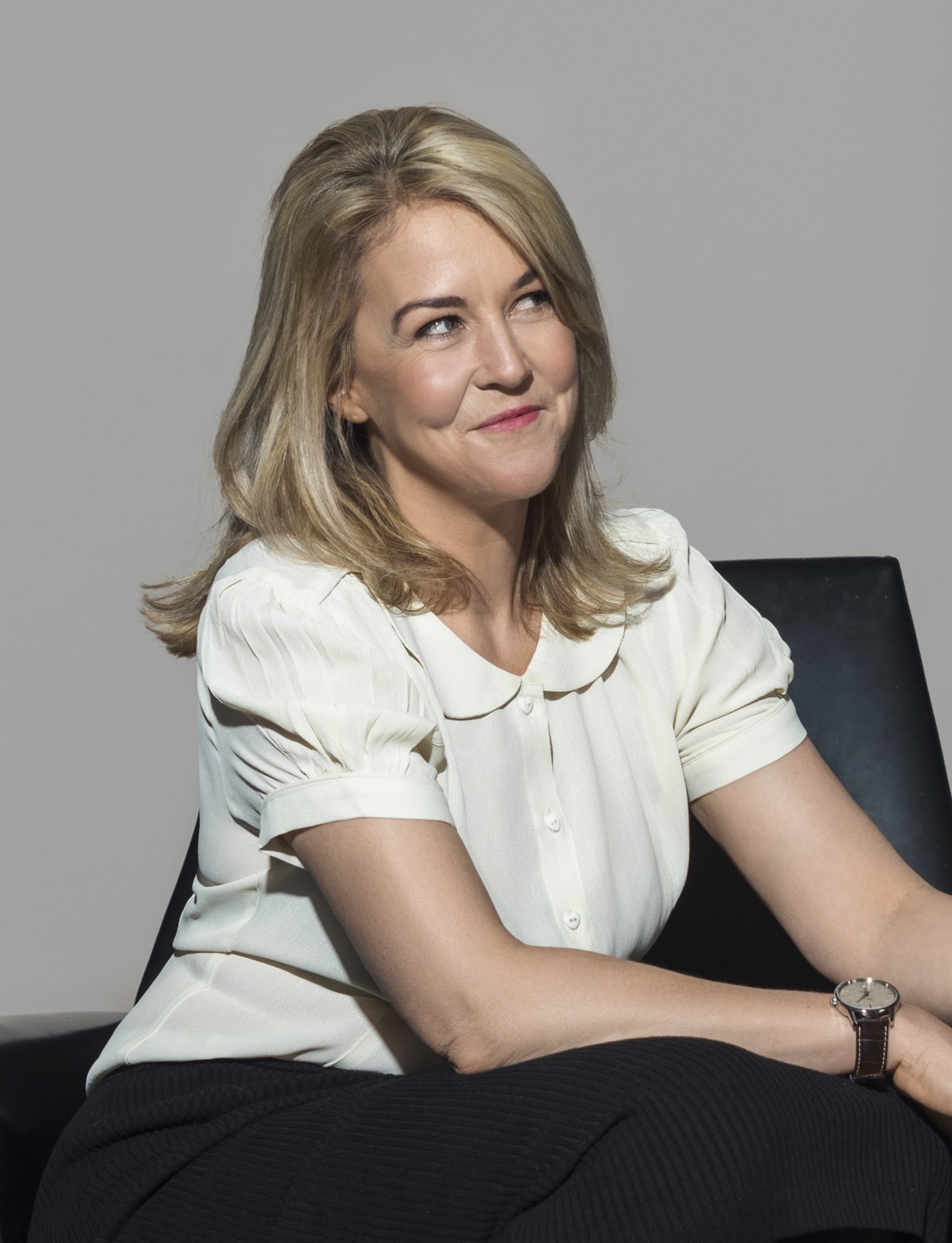
KATE THOMPSON is the beloved author of The Little Wartime Library and The Wartime Book Club.
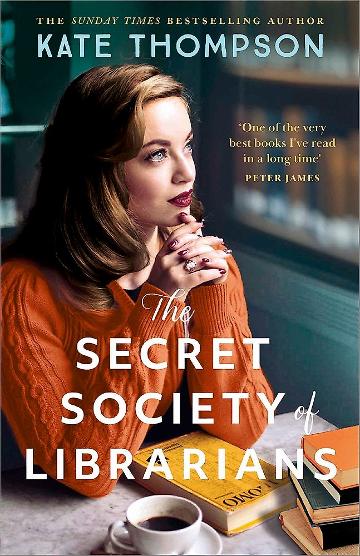
Her latest novel, The Secret Society of Librarians, is set during World War II and is inspired by a true story. We asked Kate about the inspiration behind her latest novel.
 What are you reading now, and why?
On my Audible monthly deal, many of the classics are free to listen to and they’re often narrated by brilliant actors. This month alone I’ve listened to Lady Chatterley’s Lover by D H Lawrence, Jane Eyre by Charlotte Brontë and Oliver Twist by Dickens. I listen to these as I ferry the kids about, make dinner and hang up washing. Bedtimes are for paperbacks. I’m currently reading The Whalebone Theatre by Joanna Quinn. She has such a unique voice, and I am lost in this brilliant piece of historical fiction
What were your favourite books as a child?
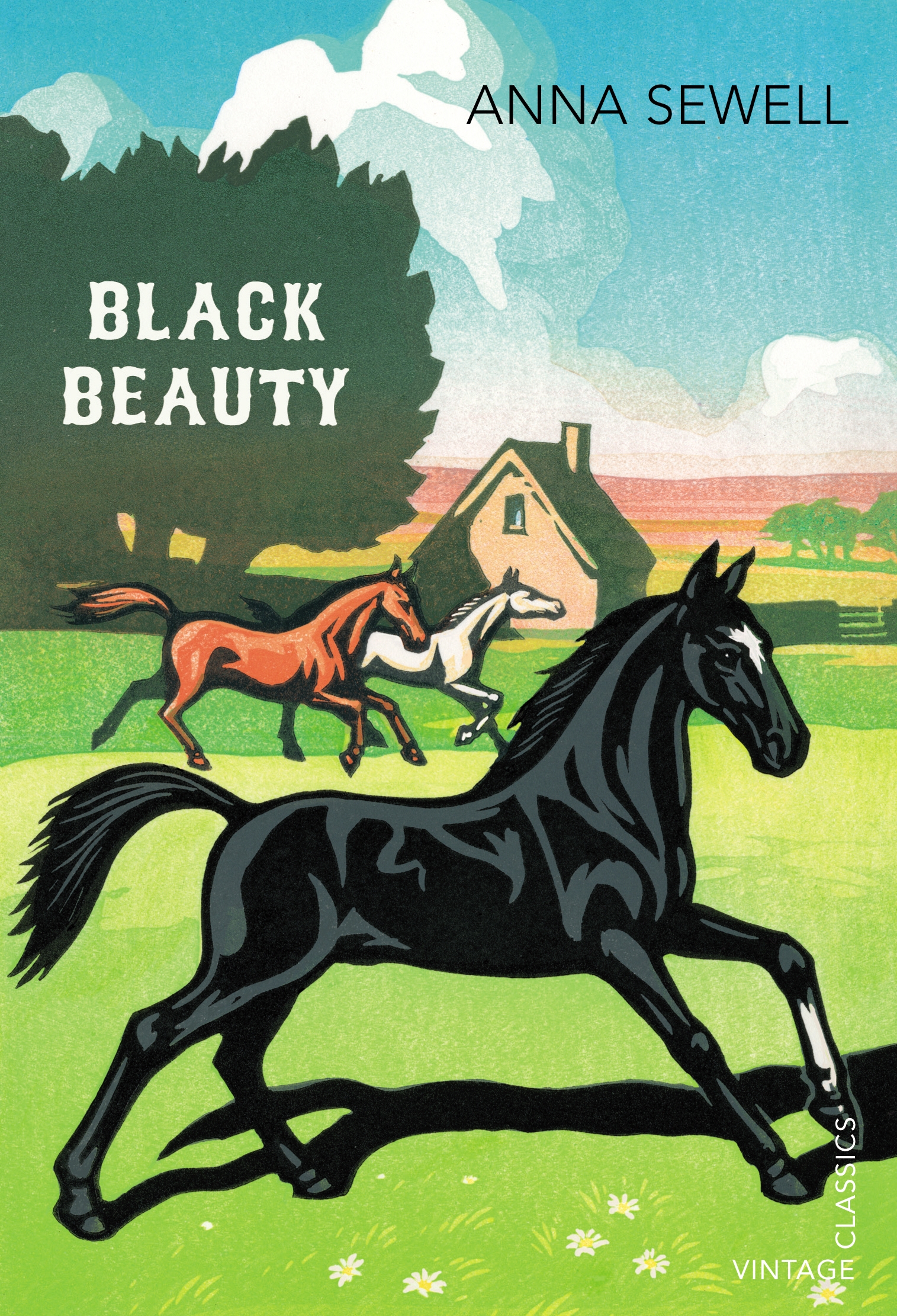 Anything with a talking animal. I didn’t know what Anthropomorphism meant as a child, but I see now I’m really drawn to stories about animals with human characteristics. I grew up horse and dog mad (still am) so I used to devour classics like Black Beauty, anything by Beatrix Potter and The Wind in the Willows. Rereading them as an adult brings me even more joy.
Which books have made you cry, or laugh out loud?
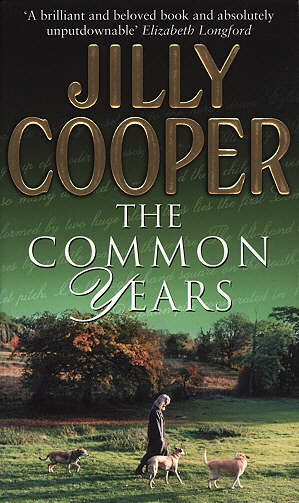 After Jilly Cooper’s recent death, I read a non-fiction book of hers called The Common Years, about her life near Putney Common. It’s not just a beautiful observation of the natural world, it’s also wickedly funny as she describes the rich cast of characters on her daily dog walk. Her tales of naughty, wayward dogs resonated with me. I’m sad to say my lurcher, Ted, got an Anti-social Behaviour Order from Windsor Royal Park, so when her dogs were blacklisted, my heart went out to her. It’s such a laugh-out-loud read.
I wrote a book called A Mother’s Promise, in collaboration with 96-year-old Holocaust survivor Renee Salt. The scenes she described, seeing her father torn away at Auschwitz-Birkenau and marched to the gas chambers, still demolish me every time I hear them.
 If you were to recommend two books to a friend, what would they be?
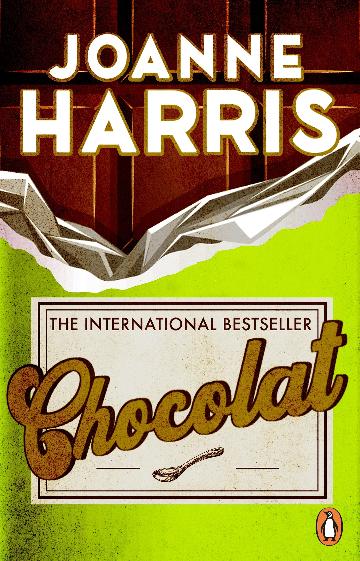
For historical fiction fan, I’d recommend Chocolat by Joanna Harris, it’s such a sensory feast of a novel and The Night Watch by Sarah Waters, set in London during World War II. Waters is a master of the craft. So good in fact, she started this book at the end and then it goes back in time
What first sparked your interest in history?
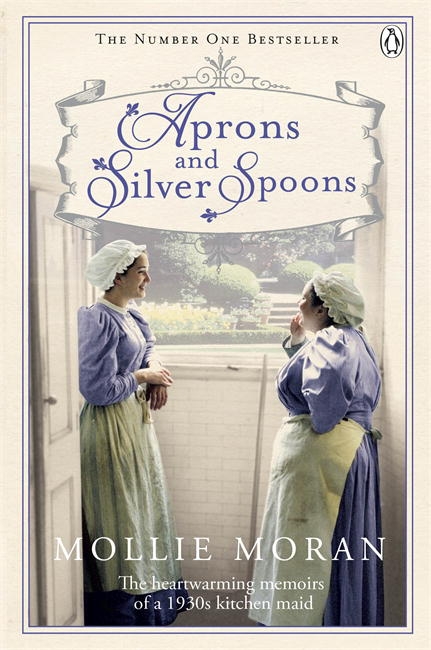 I started out life as a journalist – I still am – then became a ghostwriter. In 2012, I helped Mollie Moran write her memoirs about her time in domestic service in the ’30s. At the same time Downton Abbey was growing in popularity, so readers went mad for Mollie’s lively tales of life below stairs as a scullery maid in Aprons and Silver Spoons. Mollie was 100 when I met her but retained the youthful, mischievous gleam she had at 18.
Mollie’s life was changed by war, catapulting her from the kitchen into the Women’s Royal Naval Services as a WREN. It made me realise how pivotal World War II was for women and how, for many, it was a springboard out of drudgery.
What first inspired you to write The Secret Society of Librarians?
It was Renee Salt, a Holocaust survivor. It was while working on her memoir that I learnt there were libraries in the Lodz ghetto. In September 1942, after a Nazi selection in the ghetto, prisoners searched attics,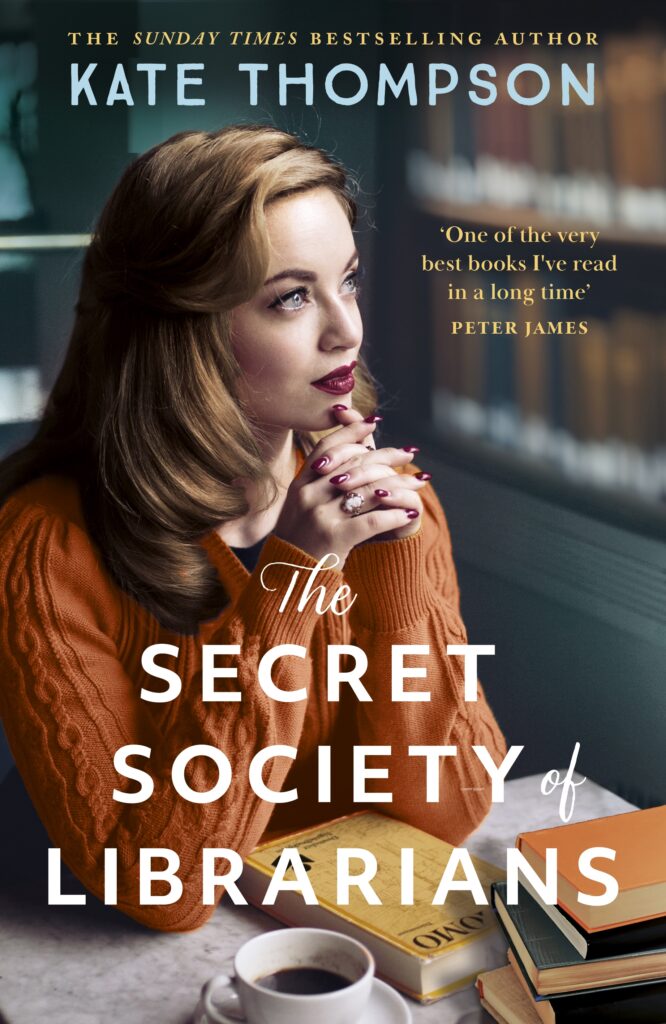 basements and apartments in secret for forgotten books. Some 30 000 books were rescued, preserved and catalogued. Shelves reaching up to the ceiling were filled with books handed down for generations, forming a unique but precarious ghetto library. This library was a testament to the prisoners’ will to do more than exist and their desire to hold on to even the most fragile beauty. I wanted to share a picture of two very different experiences of war and two very different libraries: one operating under Nazi occupation in Poland and the other running in Blitz-battered Britain.
When I stumbled across London’s first travelling library in the archives, I was hooked. I became intrigued by the transformative power and escape of reading, and it dawned on me that reading is resistance. There is extra material at the back of the book: interviews with Holocaust and Blitz survivors, photos and extensive historical notes on my research. I even visited a breath-taking secret library in the heart of London, which you can visit too.
If you were hosting a dinner party, who are six people (living or dead) you’d invite?
Winston Churchill. I’d love to know how he continued when all looked lost after Dunkirk and to see whether the rumours of his prodigious champagne drinking were true.
My Scottish grandfather, Neilson Fleetwood-Bird, who fought in the Royal Navy in submarines during both world wars and who sadly I never met. He remains an enigmatic figure in my family and I’d treasure the opportunity to sit down with him and talk.
Jilly Cooper, because she looked like the most enormous fun and would keep the conversation flowing.
Freddie Mercury and Kenny Everett. Apparently, they were friends and caused no end of mischief. They could sing and keep us entertained.
Princess Diana. She was such an enigmatic woman and apparently once went in disguise to a gay club with Freddie Mercury and Kenny Everett. I’d love to know the real Diana, away from the public eye.
ABOUT THE AUTHOR
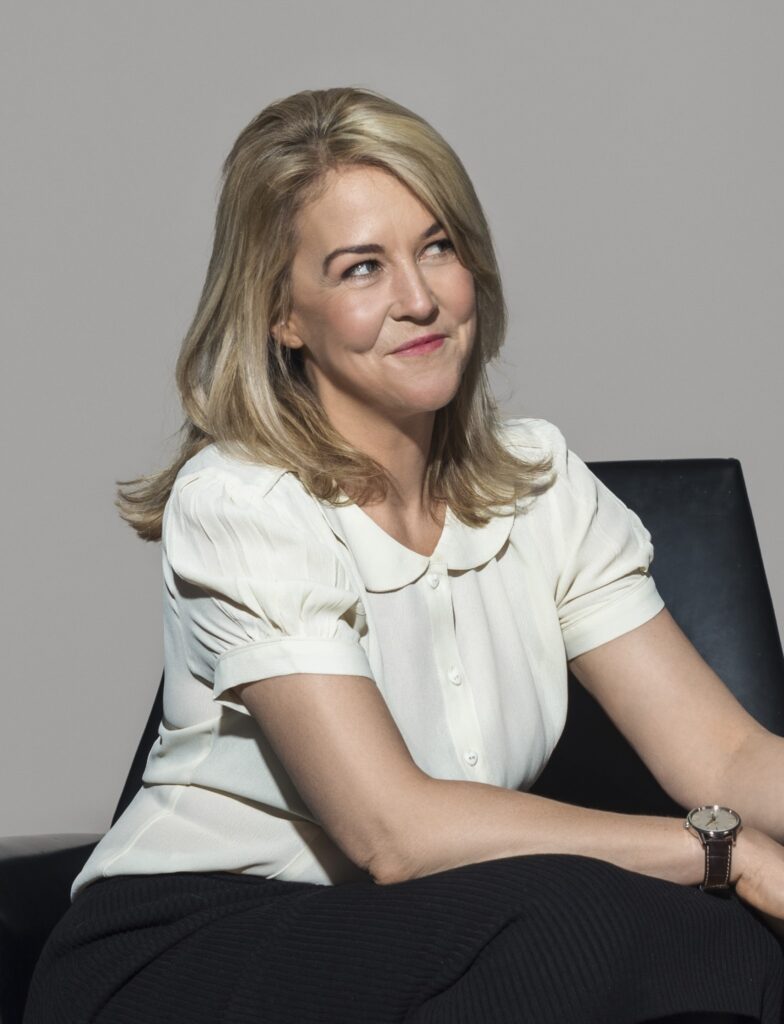 Kate has written 15 books for the Big Five publishers, 4 of which have been Top Ten Sunday Times bestsellers, as well as making the bestseller lists in Spain, Australia, Canada and South Africa.
Uncovering hidden stories is at the heart of everything she writes and Kate employs assiduous research to bring these stories to life.
Her 2018 narrative non-fiction, The Stepney Doorstep Society – about the secret matriarchal societies of wartime East London published by Penguin (Michael Joseph) – was critically acclaimed and led to her being invited to deliver a lecture to the Smithsonian Institute in Washington.
Kate’s 2022 novel based on the true story of a forgotten underground library, The Little Wartime Library, uncovered through years of interviews with working-class wartime women, helped to reverse the decision to close Bethnal Green Library in its centenary year.
The discovery of a Holocaust survivor’s father’s grave after 80 years gave an emotional depth to A Mother’s Promise, which Bel Mooney described in the Mail on Sunday as ‘an excellent, beautifully written historical narrative’.
0 Comments