


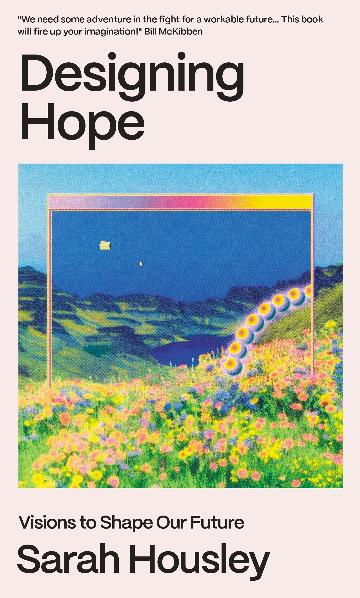
Would you eat meat grown in a laboratory? Or wear leather produced by a fungus? (These are recognisable, now established and normalised examples of ‘biodesign’; once emerging and radical ideas.)
Designing Hope offers a useful and engaging snapshot of current ideas and initiatives exploring a better future. The chapters are organised around four futures: More-than-human (a mindset related to respecting our relationship with nature); Degrowth (reducing previously unrestrained economic expansion); Solarpunk (incorporating solar energy into cultural and ideological movements); and Metaverse (digital and virtual realities).
Housley outlines, ‘designers are often natural futurists, because they tend to be curious and imaginative people who enjoy thinking about different possibilities and joining the dots between ideas’. A highlight of Designing Hope (apart from the futures and links) is the people. The book offers hundreds of ideas from designers, architects, academics, professional futures thinkers, campaigners, gardeners, ecopsychologists, artists, musicians, writers, scientists, medical researchers, food sovereignty advocates, librarians, anthropologists and other humans.
The practical ‘call to action’ tools, thought starters and exercises to encourage further thinking and engagement, supporting readers to ‘map the futures you want and create a plan of how you could start to bring them into being’. (It can start with a garden. A radical, practical, sensible and fabulous initiative is the ‘seed library’. Anyone with a library card takes home some curated seeds to plant.)
Readers, go forth and pursue your preferred futures!
Reviewed by Mark Parry
ABOUT THE AUTHOR
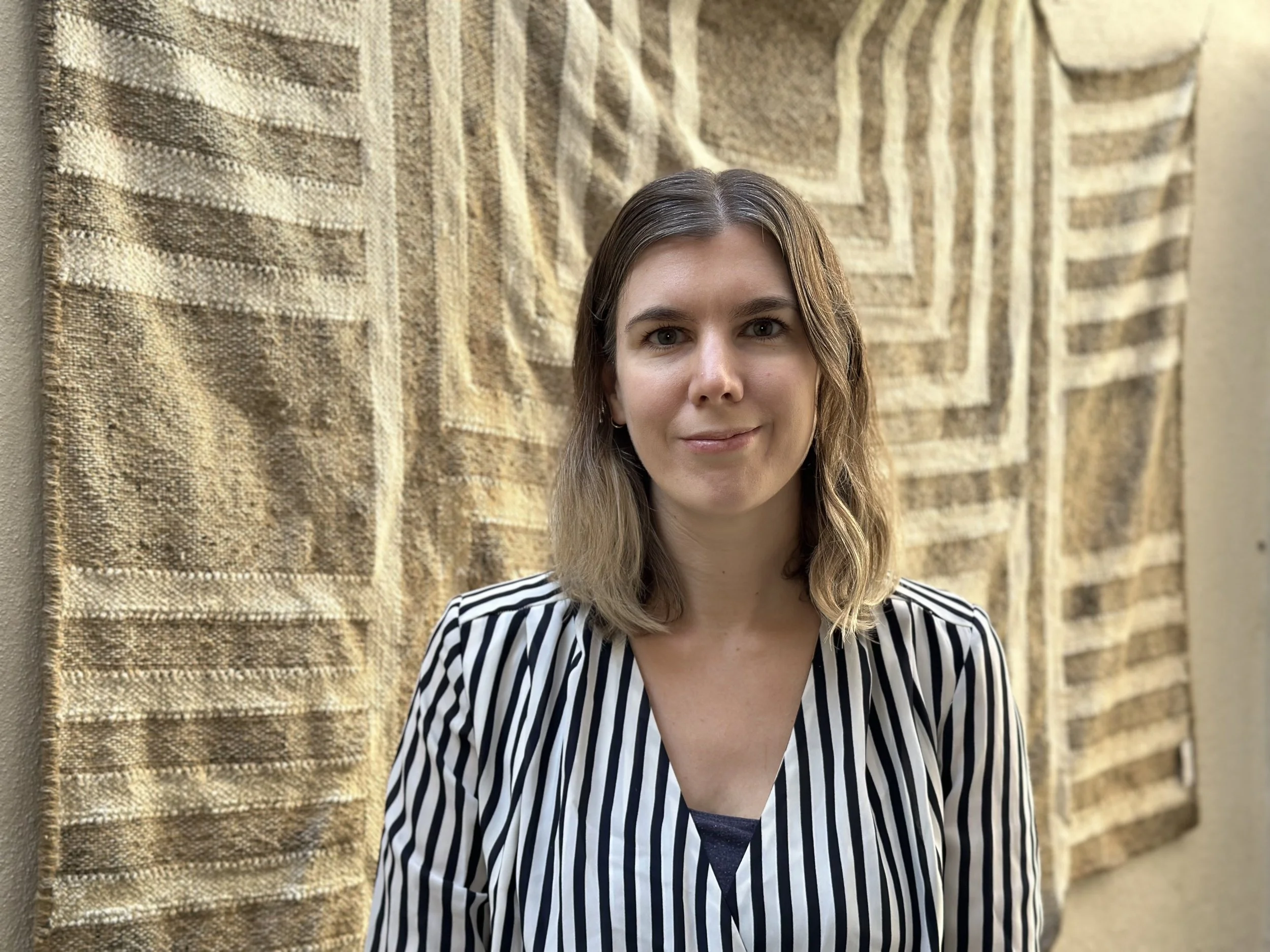 Sarah Housley is a design futurist and trend forecaster, and the former Head of Consumer Tech at WGSN. She has consulted for numerous brands on topics ranging from the future of water to our future relationships with robots, and spoken internationally at events including London Design Festival, iF Chengdu, and Dutch Design Week.
She has contributed to BBC Radio 4, as well as print and digital media including The Financial Times, The Guardian, British Vogue and Stylist magazine. She teaches Futures & Innovation at the London College of Fashion.
0 Comments