


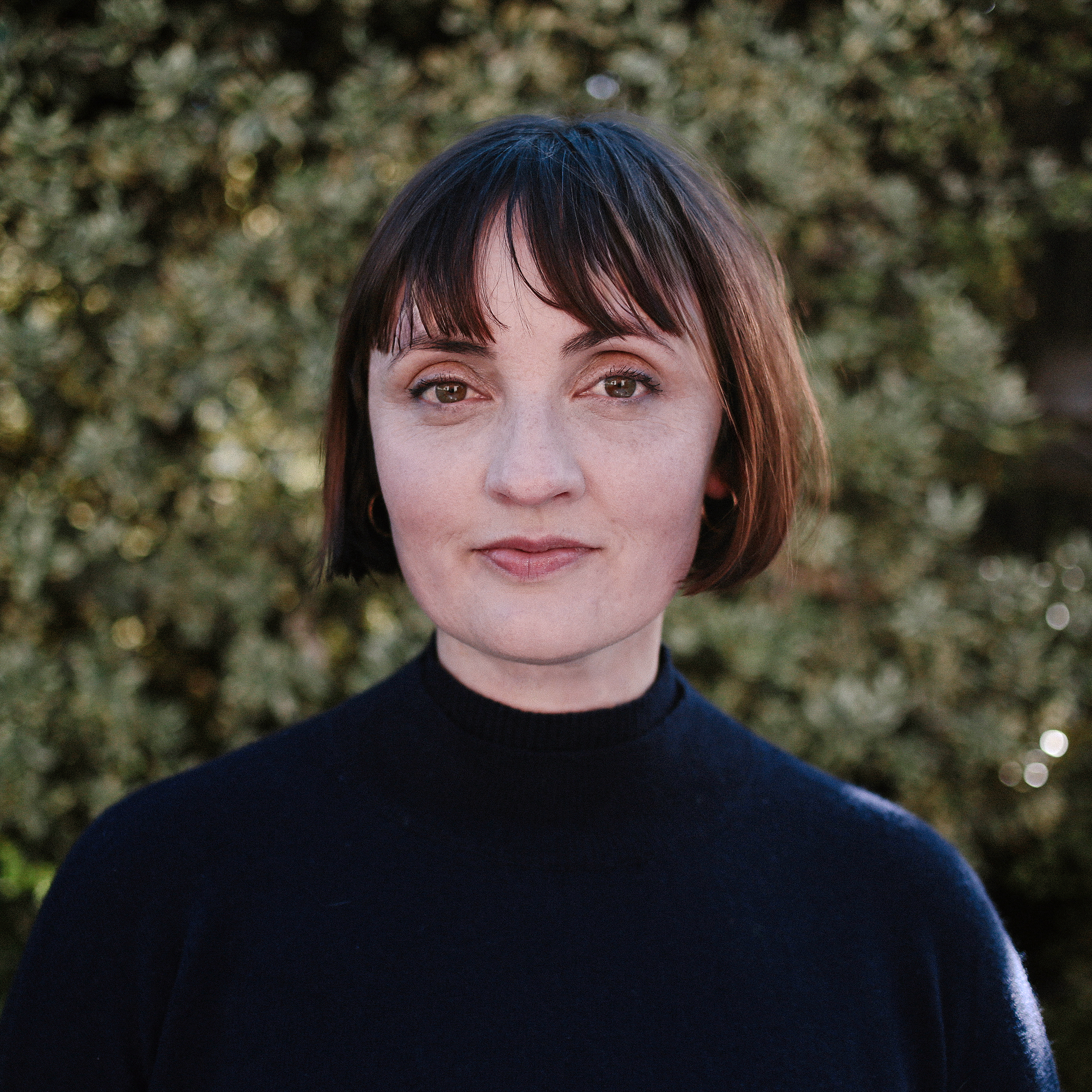
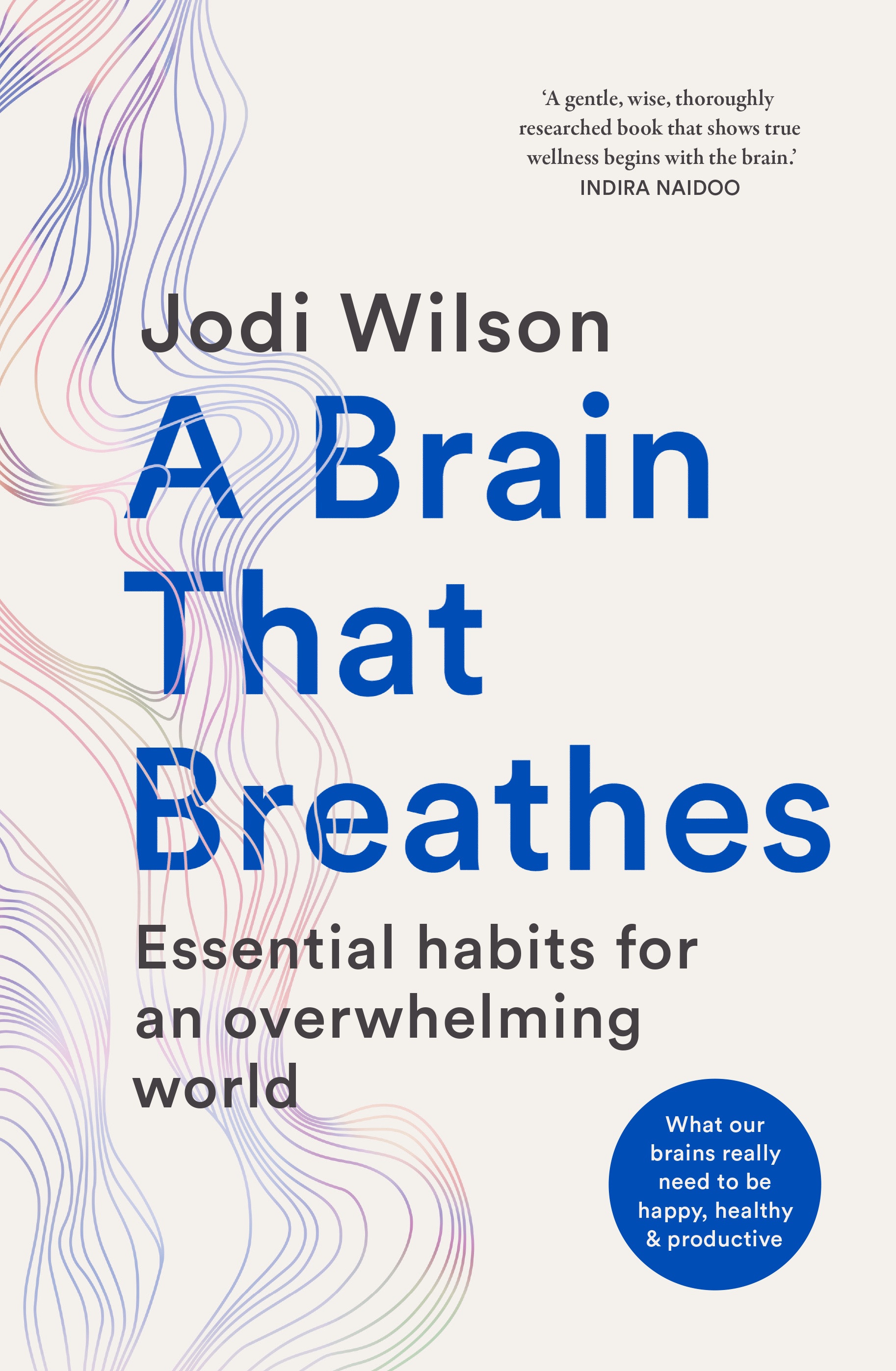
JODI WILSON is a yoga teacher, postpartum doula, and bestselling author of A Brain That Breathes, a practical and informative guide to slowing down and letting ourselves relax in an overbearing world.
Read on for a Q&A with Jodi.
ABOUT THE BOOK
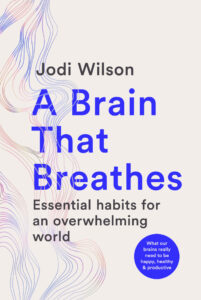 It’s a lot, we say. And it’s true – sometimes everyday life feels like too much. So what habits can we prioritise for mental clarity and creative verve? How can we continue to do what’s normal and necessary but wind back to care for our basic human needs? In this gentle, wise and actionable guide, best-selling author and respected health journalist Jodi Wilson explores the simple, evidence-based changes we can make to give our brains the breathing space they need.
After a lifetime with anxiety, Jodi wanted to better understand herself so she could continue to be creative and productive without slipping into overwhelm and exhaustion. In this fascinating exploration of the brain and body, she discovers that neuroscientists and psychologists, as well as artists and sustainable living experts, all agree on the one habit that can change how we live. It’s something our ancestors had in abundance but we’ve essentially eradicated from our lives: free time, spare time, leisure time – real space to breathe.
The modern concept of self-care we’ve been sold doesn’t help – it costs us time and money and keeps us on an unsustainable treadmill. No one is making any money when we choose to rest and do less, yet it’s the proven antidote to modern stress. Instead of looking ahead for answers, we need to consider our evolutionary biology; our brains were designed for life 10,000 years ago, so what would our ancestors have found helpful?
A Brain That Breathes is full of accessible and practical suggestions to embrace the power of ‘enoughness’, ‘soft fascination’ and intentional ‘not-doing’ so you can declutter your mind, restore your attention, and live every day with breathing space.
MEET JODI WILSON
What inspired you to write A Brain That Breathes?
I’d written three books in three years and I was back-pedaling from burnout. I was interested to know what my brain needs to keep writing books; when it feels full and I feel overwhelmed, I experience a sense of being stuck and it’s not a creatively fertile space at all. I was also questioning why everyone seems so overwhelmed; why is normal life all of a sudden too much for us? This was the question that really made me realise that there may be a book in all the reading and research I was doing.
Why is breathing space so essential for our mental and physical health?
There’s a massive disconnect between our biology and our normal everyday reality and that’s showing up in increased rates of burnout, exhaustion and mental illness. Breathing space is something our ancestors had in abundance but modern life has effectively eradicated it. It’s even been erased from our lexicon; we rarely mention free time or spare time anymore. That says a lot! However, neuroscientists and psychologists believe that if we want to live well – with mental clarity, creative verve, and a brain that lights up with bright ideas – we need to reinstate it. When we have breathing space in our day, we create moments of rest that allow the brain to declutter and the body to re-energise.
You draw on neuroscience, psychology and sustainable living throughout the book. Which key experts or studies most influenced your thinking?
I’ve been exploring and writing about simplicity for 10 years and I really wanted to know why we find it so hard to live with less. I was also interested in the studies on attention restoration and deep rest, both of which outline how vital intentional downtime is for our health and vitality. In the venn diagram of simplicity, attention and distraction, the intersection is our scarcity mindset; we think ‘I’d better get this now because it might not be there later.’ Our brain is an organ of instinct, not logic, and it was designed for a life of scarcity – it was a survival mechanism that ensured we ate and sought warmth and shelter. What happens in a world of abundance? We gorge on information and entertainment – always filling our brain with more which is so easy when we constantly have our phone with us. There is so much we can learn about ourselves when we consider evolutionary biology and I think we should all have this knowledge so we understand precisely what the brain and body needs for health and vitality.
 What was the most surprising discovery you made during your research?
I was surprised and charmed by the concept of soft fascination which is a tenet of attention restoration theory. I like to think of it as awe’s little sister; it’s also known as ‘mindfulness without the meditation’.
It’s the mental state we slip into when we are in nature, where our attention isn’t harnessed by sensory stimuli but gently fascinated by them: the sway of a tree, the falling of a leaf, the ebbing tide. It’s like downtime for our brain, which is why it is such a powerful practice for everyone, but especially those who are engaged in hours of focused, hard attention (on a screen) on a regular basis. Nature doesn’t require direct attention but allows us to move through it with a lightness of being, which creates the opportunity for both self-reflection and mental reprieve. The results? Mental decluttering, clearer thoughts, more aha moments. If you want bright ideas and mental clarity, you need a daily dose of soft fascination.
What does stress actually do to our bodies on a biological level?
It harms us – right down to a cellular level – and affects our longevity.
As I discuss in the book, we can’t remove stress from our lives and there is such a thing as good stress – eustress – it keeps us moving and motivated. However, so much of our stress today stems from uncertainty and I think we’d all agree that life since 2020 has felt particularly uncertain. This means our stress is continual and our nervous system and body is getting no reprieve from it. Recognising stress is one thing but it’s vital that we understand how to counterbalance it and we can do that with ‘deep rest’ which can begin with small moments of downtime often. The results? Rejuvenation – even on a cellular level.
What are some simple, evidence-based techniques that can help us reset in stressful environments or moments?
- Deep breathing. When I interviewed neuroscientist Dr Jack Feldman, he told me something that has changed the way I think about the breath and anxiety. Think of anxiety as a circuit in your brain… when you take a deep breath, that pushes the anxiety circuit to the side for a moment and it loses momentum. Continual deep, conscious breaths essentially push anxiety and panic off-kilter.
- Sigh – its the body’s natural stress response.
- Sing – it helps to activate your vagus nerve.
- Run cold water over your hands.
- Shake your limbs to release tension.
- Go outside and look up to the sky or out to the horizon.
- Reading a book (your heartrate and breath slows within 6 minutes).
- Walking on uneven surfaces.
- Leaning into comfort (warm food, a hot water bottle, watching a funny movie) – these things prompt the flow of oxytocin – aka ‘the cuddle chemical’ – which helps us relax and heal.
You explore 12 habits that counter anxiety, burnout and distraction. Is there one that’s had the most profound impact on your own mental and physical wellbeing?
Yes, sitting and staring! All writers know the ‘sit and stare’ and I think many of us consider it procrastination or a waste of time but it’s actually how we declutter the brain and make space for the subconscious to bubble up with ideas. As a mother there have been so many moments when sitting and staring has felt like reprieve and I think we all reach a certain age and understand the immense comfort of cradling a hot cup of tea, sitting in our favourite chair or the garden steps and just having a bit of a ponder. It looks like nothing but this ‘nothingness’ allows us the brain to do the good work of clearing the clutter which creates more mental clarity and allows us to feel a sense of contentment.
Who is this book for? And what do you hope readers take away from it?
It’s for anyone who is feeling overwhelmed (so truthfully, most people!). I hope readers come away with a better understanding of what their brain needs for clarity, creativity and contentment. I really believe many of us are so exhausted by normal life that we presume the solution is complicated. In A Brain That Breathes I explain that it’s quite the opposite: the remedy to our overwhelm is really simple and accessible. I don’t believe self-care is the answer to all our maladies; I really believe breathing space is. And as I say, no one is making any money when we rest and do less, but it is the proven antidote to stress and overwhelm. I call it ‘basic human care’ because I think we all need reminding that we are human, we are nature, and if we keep pushing and striving we’ll just wear ourselves out.
The world expects us to keep going and being better, but I’m all for slowing down, stepping to the side, and living at a human pace (with a brain that breathes).
ABOUT THE AUTHOR
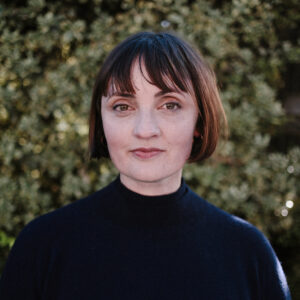 Jodi Wilson is a bestselling author, yoga teacher and postpartum doula.
Her other books include Practising Simplicity and The Complete Guide to Postpartum.
Her work has been published in the Guardian and ABC and she writes two weekly newsletters on Substack. She lives in Tasmania with her partner and their four children. A Brain That Breathes is her fourth book.
Follow Jodie’s Instagram here.

0 Comments