



I was reading our cover story this month about the talented Mr Philip Pullman, whose ‘His Dark Materials’ series and companion books feature the unforgettable Lyra Silvertongue. It made me wonder how he came up with that name. I’ve always been fascinated by how and when a character’s name appears to a writer. That curiosity led me to think about how other authors dream up their characters’ names, too.
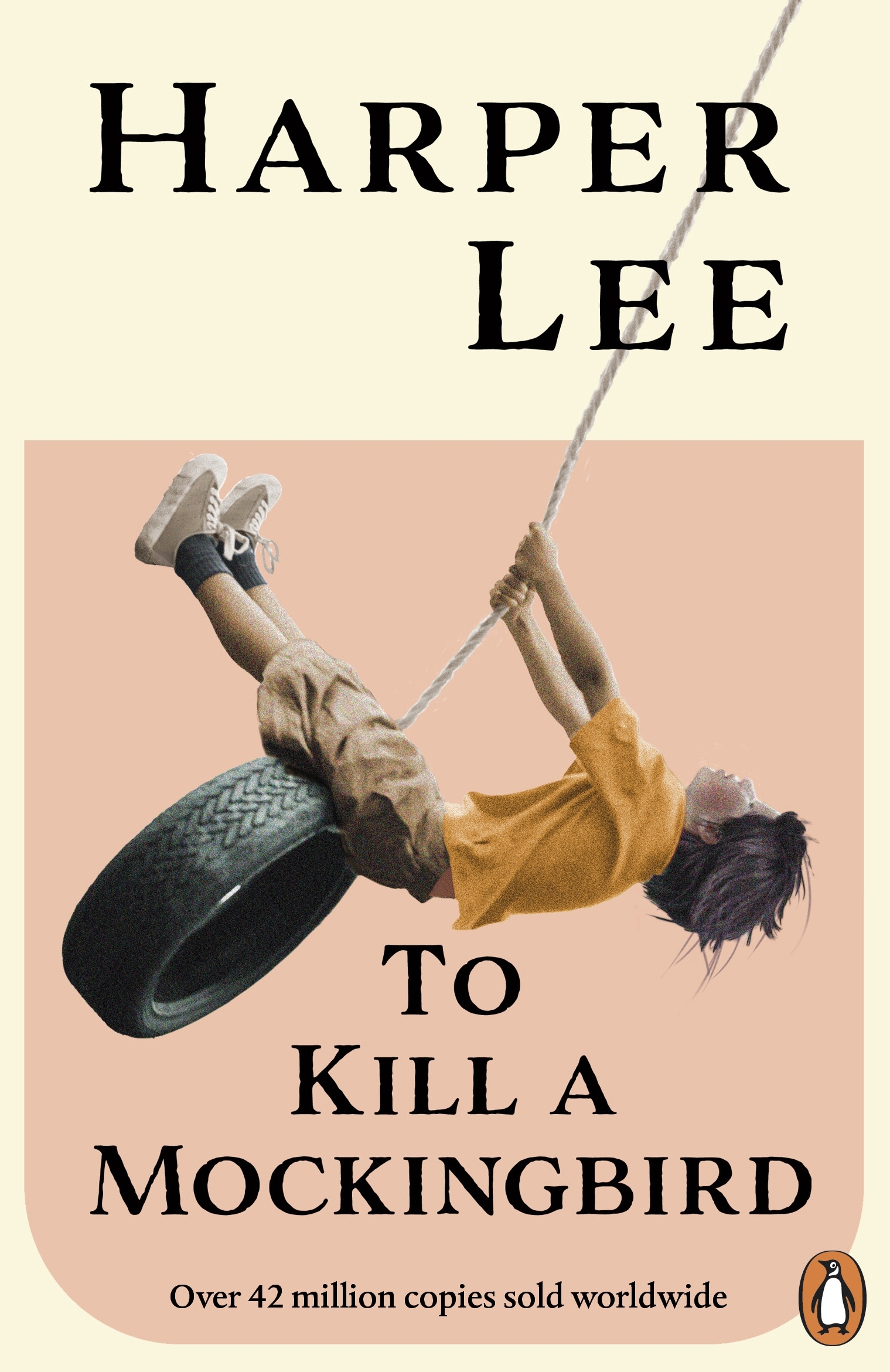 Any list of favourite literary names would surely include Holly Golightly from Breakfast at Tiffany’s by Truman Capote, Huckleberry Finn from Mark Twain’s classic tale, and Fitzgerald’s enigmatic Jay Gatsby. Then there’s Atticus Finch from To Kill a Mockingbird – and of course, his daughter, Scout. I’ve often wished that was my name.
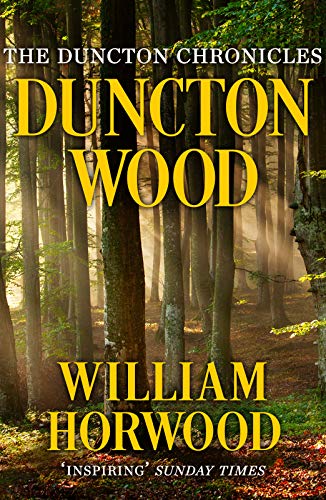 Some names may not be revolutionary but still capture a character perfectly. A few of my favourites come from Duncton Wood: the moles Bracken and Rebecca, and Bracken’s loyal friend, Boswell. Their names reflect their earthy world and gentle natures so beautifully.
Of course, villains demand names that echo their menace. Voldemort, for example. Or Hannibal Lecter – just the sound of it sends chills down your spine. And Dickens’s miserly Ebenezer Scrooge. Could any name be more perfect? How about Nurse Ratched from One Flew Over the Cuckoo’s Nest? And if you’ve read Psycho, you’ll know how the seemingly innocent name Norman Bates can make you glance nervously around the shower curtain.
Some stories require names that fit their time and place. On the high seas, we meet Horatio Hornblower, who begins as a midshipman in C S Forester’s ‘Horatio’ series – 11 books in total. Then there’s Patrick O’Brian’s Captain Jack Aubrey and his ship’s physician, Stephen Maturin – names that aren’t quirky, yet radiate strength, intelligence, and courage. If you love seafaring historical fiction, the ‘Aubrey-Maturin’ series is unmissable. And of course, who could forget Phileas Fogg, floating above the world in his balloon or Captain Nemo gliding through deep the sea?
Fantasy novels, meanwhile, offer some of the most imaginative names. Take Titus Groan from Mervyn Peake’s ‘Gormenghast’ series – the 77th Earl who rules from his crumbling castle, surrounded by dogs and eccentric subjects. You can picture him instantly, can’t you? Or Moist von Lipwig from Terry Pratchett’s ‘Discworld’ – that one always makes me laugh.
 And then there’s Strider – a name I’ve always loved. We first meet him in J R R Tolkien’s ‘The Lord of the Rings’, a mysterious Ranger of the North who is, in truth, heir to the thrones of Gondor and Arnor. Strong, determined and – dare I say – smouldering. If I were on a quest to vanquish evil, I’d definitely want him by my side. Tolkien’s labyrinthine imagination gave us so many unforgettable names: Bilbo Baggins, Gandalf, Legolas, Smeagol (or Gollum), and Pippin, to name a few. And in Robin Hobb’s world, we meet FitzChivalry Farseer – born a royal bastard, trained as an assassin, and loyal to his realm.
Children’s books, of course, are filled with names that stick with us forever: Winnie-the-Pooh, Piglet and Eeyore – simple yet so clever. Then there’s Mr Toad, Mole, Ratty and Badger – names that are exactly what they sound like. Roald Dahl gave us Willy Wonka, and
E B White named a spider Charlotte. Who else would have thought of that? Another favourite from my childhood is the well-meaning but muddled Amelia Bedelia.
I wonder how the authors came up with the classic names like Count Dracula, Frankenstein, Tarzan, Moby Dick, Sherlock Holmes, Robinson Crusoe or Long John Silver. This is the stuff of literary history that is timeless. This is the stuff of future research for myself as well!
Of course, it’s the authors’ wonderful stories that makes all these names fit so perfectly. Each one springs from their boundless imagination. How much poorer the world would be without them, don’t you think? Well – that’s simply unimaginable. •

0 Comments