


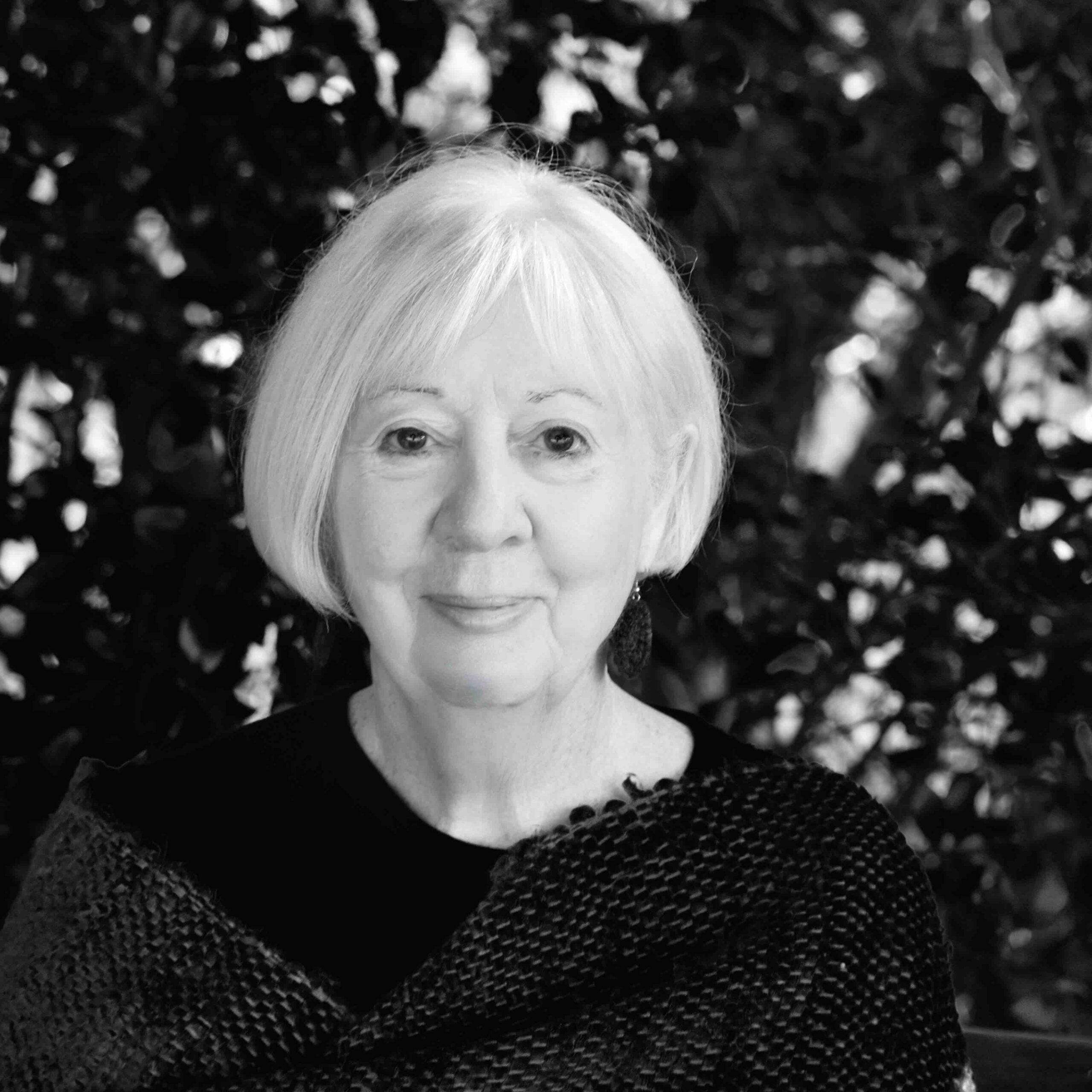
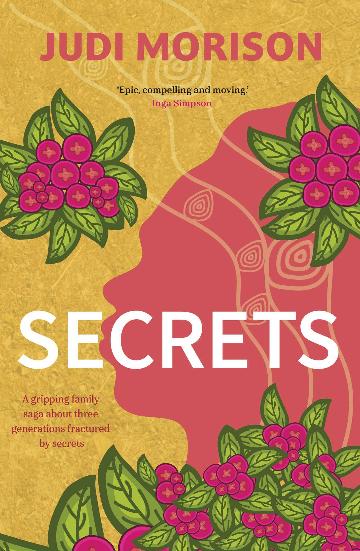
ABOUT THE BOOK
Ruth, the widowed matriarch of a grown family, has only months to live, and a secret she’s kept for sixty years. Now she must put things right before she dies. But as she has learned, the longer something is kept hidden, the harder it is to bring out of the shadows.
With her grandson in gaol and her family fractured, Ruth must address the past, present and future. She must reveal her secret, reconcile her family, and find a way to keep her beloved homestead, Cora, in the family – and her family in Cora.
A sweeping saga spanning more than half a century, Secrets has a cast of indelible characters whose lives have been devastated by racism, trauma, addiction, incarceration, loss and shame. Yet for all that their secrets break your heart, Ruth and her family ultimately leave it stronger. This spirited, compassionate novel is a testament to the power of truth-telling and the possibility of healing.
**********
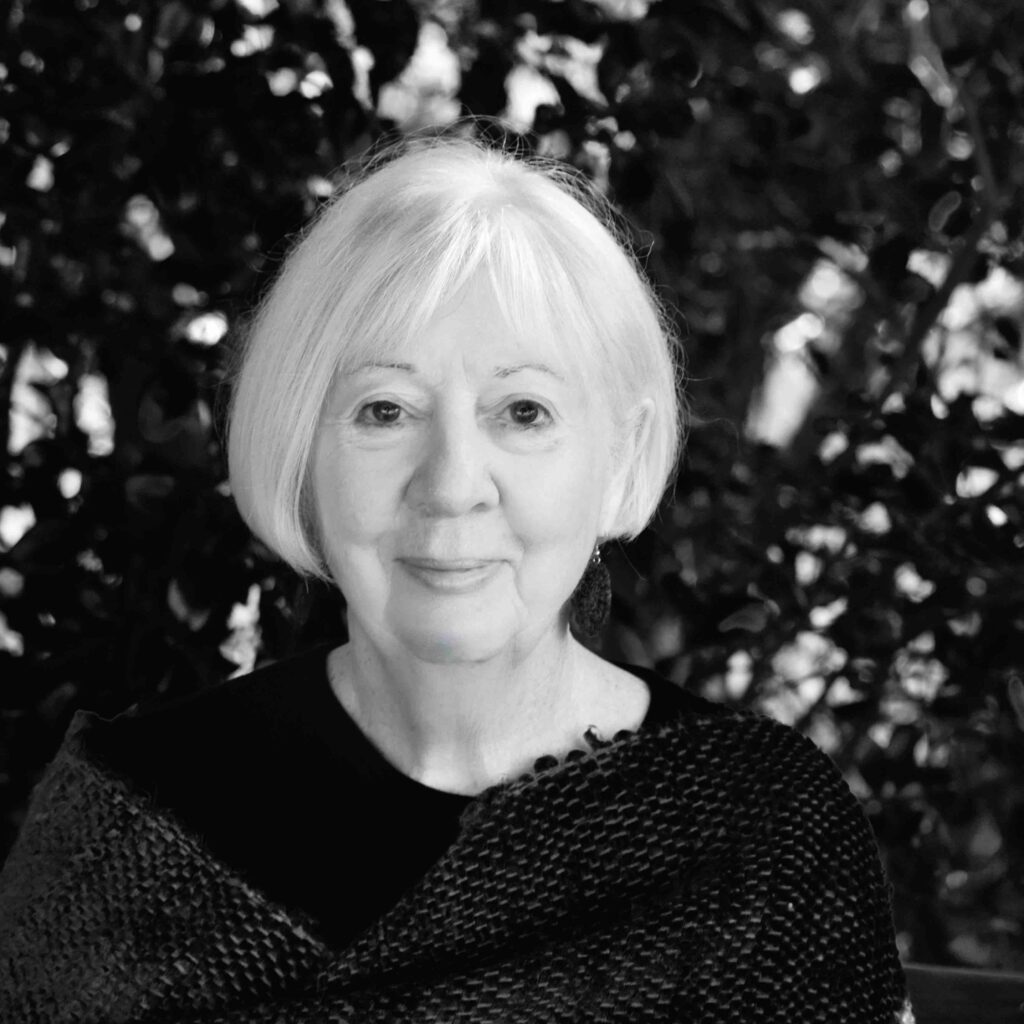
MEET JUDI MORISON
What inspired your novel Secrets?
Secrets was inspired by my desire to celebrate strong women, truth-telling and the possibility of reconciliation and healing.
How did the story evolve from those early manuscript days through to publication?
In 2017, for a South Coast Writers Centre writing group exercise, I wrote 500 words about the death of a matriarch and family dysfunction. While completing the subject Novel Writing for the MA in Creative Writing at UTS in 2019, I picked up that thread and began to tie it together with other issues and, after completing the course, I was compelled to finish the story.
The 2022 Boundless Indigenous Writers Mentorship, during which I was mentored by Larissa Behrendt and Text Publishing’s Mandy Brett, gave me the support and confidence to continue exploring the interrelated issues of racism, trauma, addiction, incarceration, loss and shame. Although the story became more complex, Ruth and her home, Cora, survived from the original exercise.
You have Gamilaroi and Celtic heritage and are based on Gumbaynggirr Country. How have your cultural roots shaped your voice and vision as a novelist?
Growing up, I heard first about my Irish roots, and later discovered I have more Cornish heritage, with a dash of Welsh and Manx. Like First Nations, these cultures all have strong traditions of oral storytelling and connection to the land, and all have experienced colonisation.
I grew up on Eora Country, spent decades on Gundungurra and Wadi Wadi Country, and I visit my own Country as often as I can. I’ve learned from listening to different Countries, and now I listen to Gumbaynggirr Country.
The shared traditions of storytelling and shared histories of dispossession and language loss, together with the strong connections to Country of all my cultural roots have, I think, made me a storyteller who can’t help but write about social justice and place. I believe my vision of contributing as a novelist to the important work of truth-telling through fiction has also been shaped by those cultural roots.
What was the most challenging or rewarding part of writing this novel?
Working out a structure to contain three different points of view across a sixty-year time span was tricky, especially when I often wanted the reader and character/s to learn together about a past event.
Working out how to expose, and then resolve, one of the final secrets in the novel was also frustrating. Phone calls from inside a correctional centre became important. I hope my solutions will be read as credible.
 Family dynamics are central to the novel. What inspired your portrayal of these relationships?
I think we all have, or know of, families that are dysfunctional to some extent. It could be children not speaking to parents or vice versa, or siblings not getting along. Loss and shame are frequently involved. Secrets isn’t about my own family, though both sides of my family did have their own secrets.
I’m interested in the interrelated impacts of trauma, often intergenerational, and addiction, as well as the possibility of healing and reconciliation. My involvement with Aunty Barbara Nicholson’s Dreaming Inside Project took me into Junee Correctional Centre and gave me the privilege of transcribing the voices of First Nations inmates for many years. Their stories resonated with what I was learning. The family I created around Ruth allowed me to interrogate those issues.
Did you learn anything about yourself through the writing process?
I re-learned that I have the ability to maintain focus on a project and see it through. I also learned not to pull back when writing about something that I haven’t personally experienced but, instead, to write it to the best of my ability so as to honour those who have experienced it.
What do you hope readers will take away from Secrets?
I hope readers will feel compassion for the main characters, and admiration for their strength and resilience. None of them is perfect, but I hope readers can relate in some way to each of them, wish them well on their healing journeys, and take that empathy away with them, into the real world.
**********
ABOUT THE AUTHOR
Judi Morison has Gamilaroi and Celtic heritage and lives on Gumbaynggirr Country. She has completed an MA in Creative Writing at the University of Technology Sydney, and her short fiction has been published in a number of anthologies. A member of the Ngana Barangarai (Black Wallaby) Indigenous Literary Project, she has had a long involvement with Dreaming Inside: Voices from Junee Correctional Centre and leads the Emerging Aboriginal and Torres Strait Islander Writers Mentoring Program for South Coast Writers Centre.
Secrets is her first novel, and in manuscript it won the 2022 Boundless Indigenous Mentorship, provided by Writing NSW and Text Publishing. Judi enjoys learning and using her Gamilaraay language.

0 Comments