


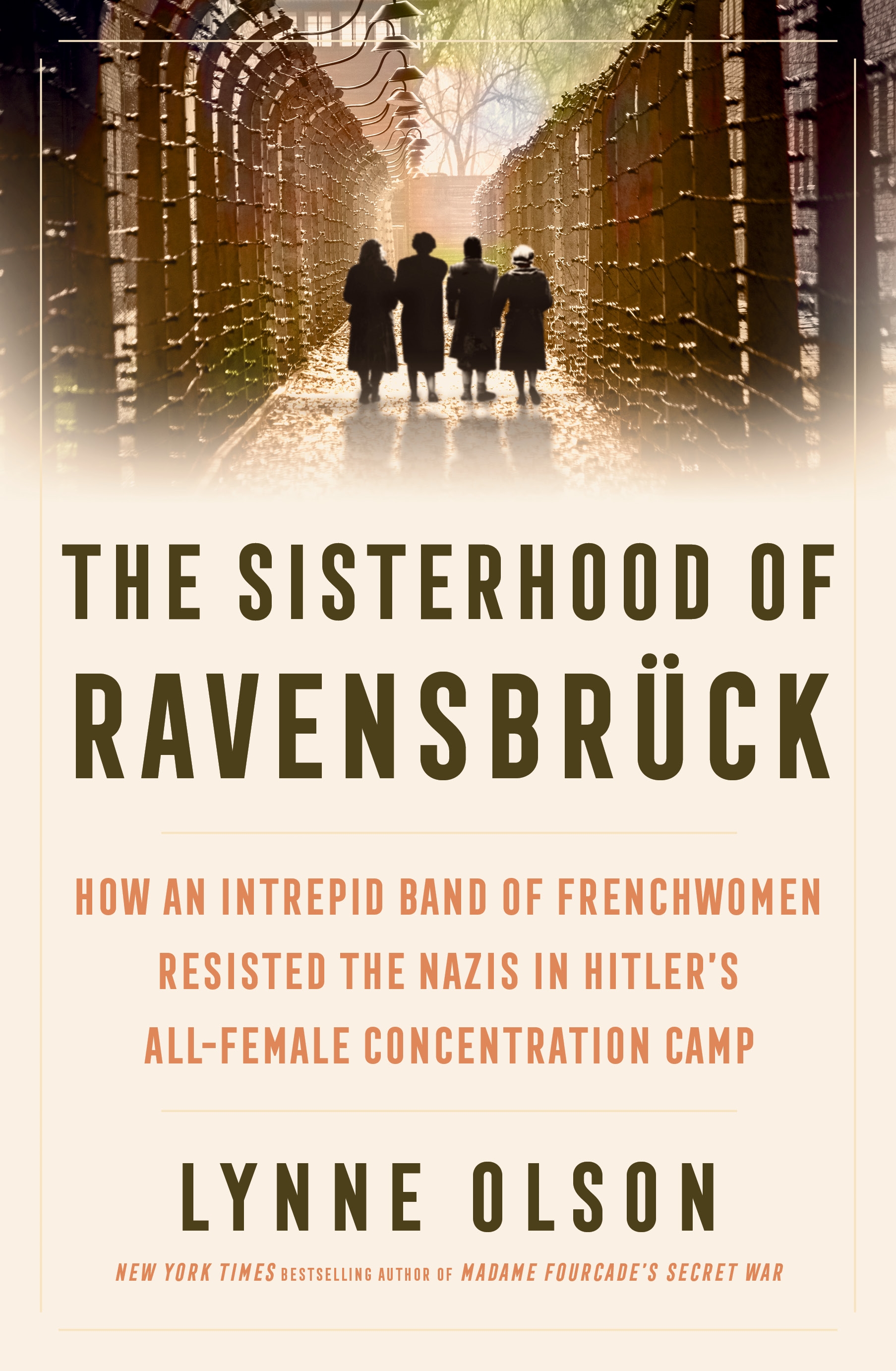
Between 1933 and 1945, the Nazis established more than 44 000 camps (including ghettos) in Germany and across the occupied territories. The only camp designated for women was Ravensbrück. Olson focuses on the French women interned there – mainly for their activities in the French Resistance. She tells their story through the experiences of four women: Germaine Tillion, the anthropologist who covertly documented camp atrocities under the guise of recipes; Geneviève de Gaulle, niece of Charles de Gaulle, who kept spirits alive in the barracks; and Anise Postel Vinay and Jacqueline Péry d’Alincourt, whose shared resistance fostered lifelong bonds.
The book initially looks at the role these women played in the establishment of a ‘resistance’ to Nazi occupation. Inevitably they were all captured, tortured by the Gestapo and sent to Ravensbrück.
In 1945 there were 45-50 000 women housed in the camp under appalling conditions. Their survival would be a testament to the horrors they experienced, including the medical experiments practised on women who became known as the ‘rabbits’. Polish women recorded the atrocities experienced, one even had a camera.
Where many histories end at liberation, Olson gives equal weight to what came next: the attempt to integrate back into society; the belief that Ravensbrück wasn’t as bad as Auschwitz; the lobbying for survivor’s rights; and finally the prosecution and execution of Fritz Suhren, the camp commandant, in 1950.
The Sisterhood of Ravensbrück is thoroughly researched both through archives and interviews. It’s a stirring, unflinching testament to courage under oppression and a tribute to the bonds of resistance that survived hell – and reshaped the world.
Reviewed by Anthony Llewellyn-Evans
ABOUT THE AUTHOR
 Lynne Olson is a New York Times bestselling author of ten books of history, most of which focus on World War II. Olson’s previous book, Empress of the Nile, was published by Scribe in 2023.
Other books by Olson include Last Hope Island, Madame Fourcade’s Secret War, and Citizens of London.



0 Comments